Country
Language
Cart
Your cart is empty
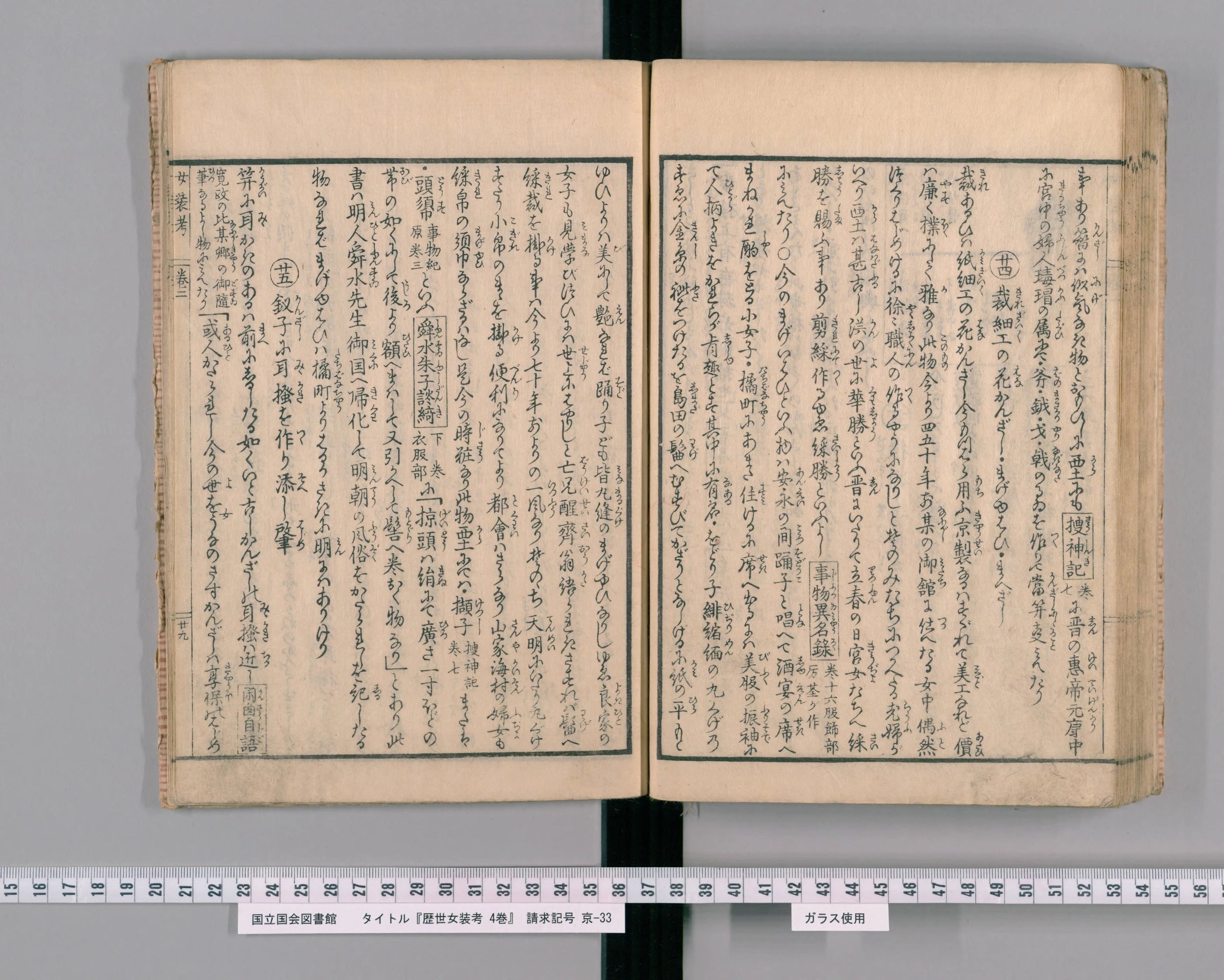
"Kyoto-made Is Especially Fine, Yet Cheap, Plain, and Elegant": What an 1847 Book Said About Kyoto Flower Hairpins
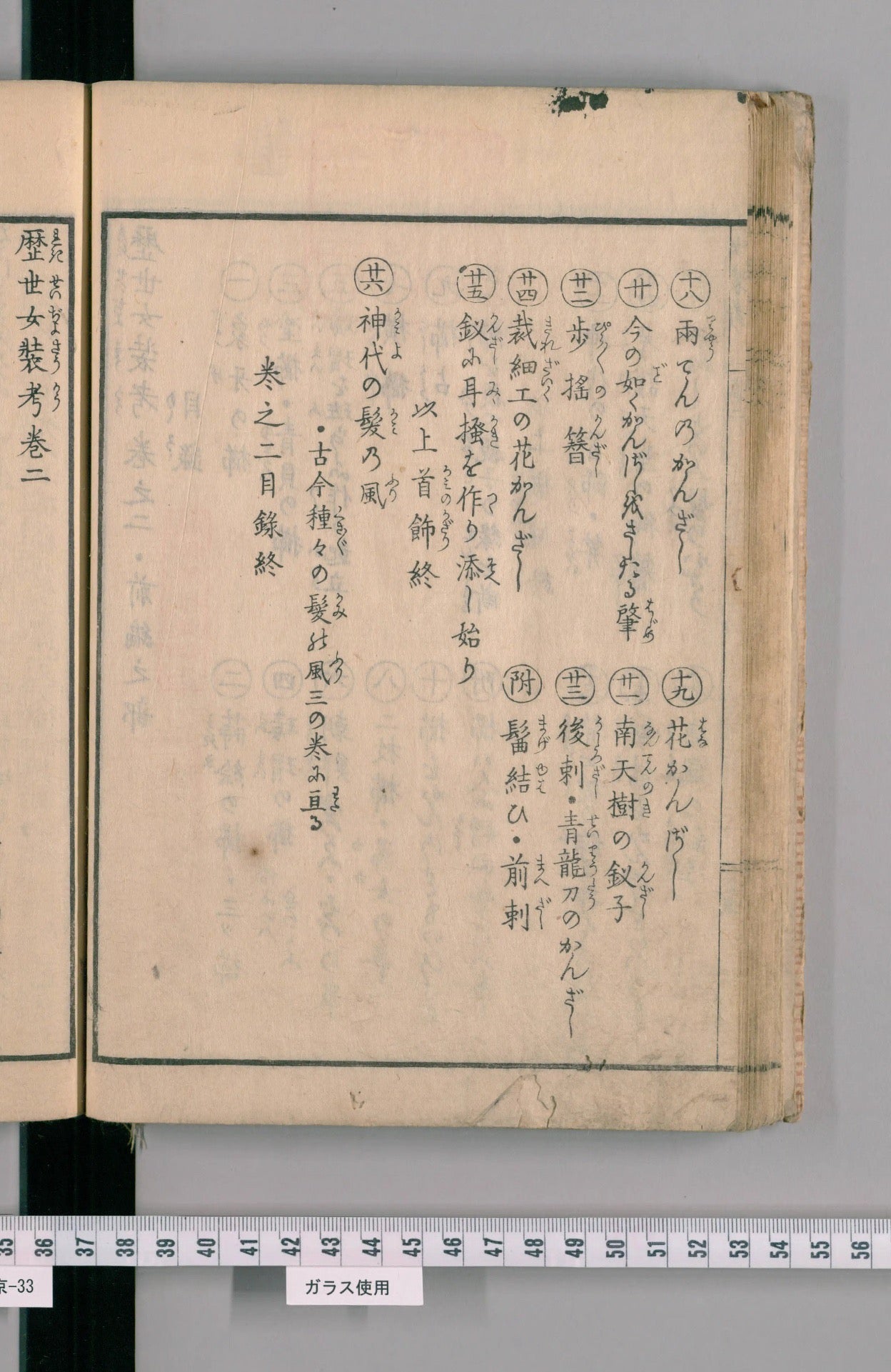
"Tsumami-Zaiku" Is a Meiji-Era Name. In the Edo Period It Was Called Kirezaiku.
In 1873, Kyoto Hana-Kanzashi Crossed to Vienna: 150 Years of Tsumami-Zaiku Abroad
The Kusudama Was Meiji Japan's Signature Tsumami-Zaiku Piece
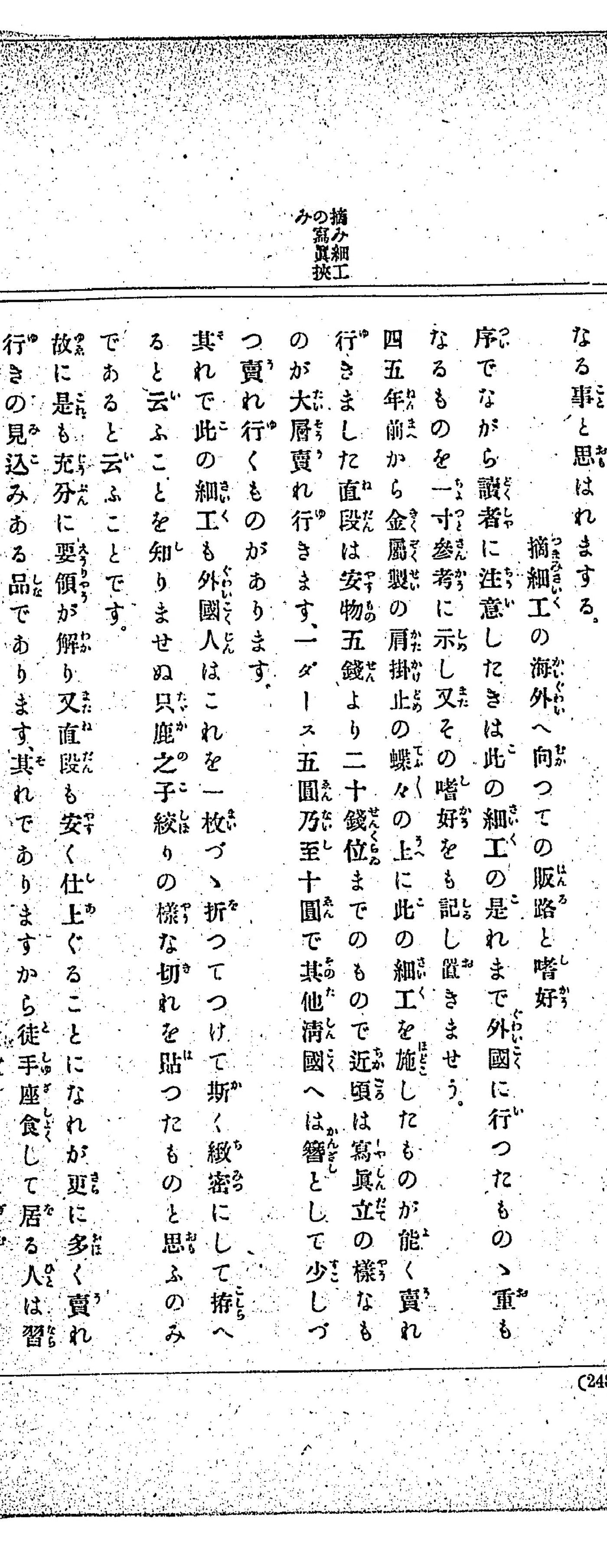
In 1909, Foreign Buyers Didn't Know Each Petal Was Folded by Hand
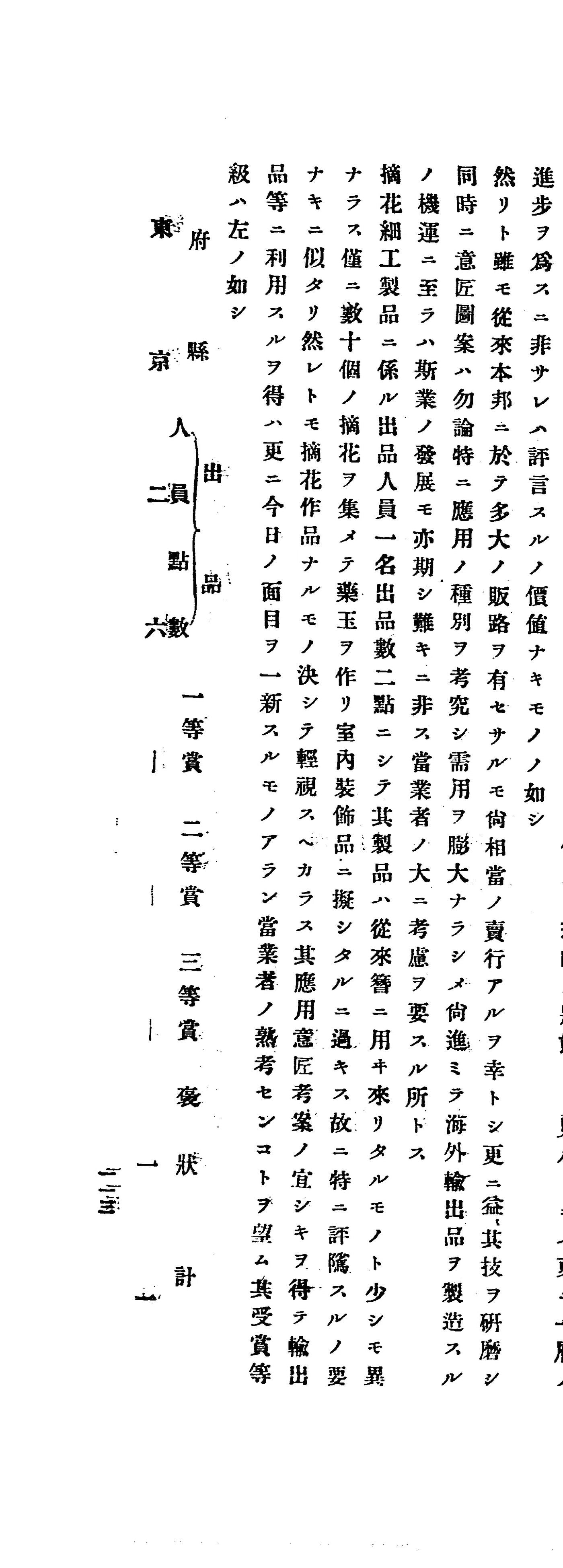
The Tsumami-Zaiku Shown at Japan's 1908 Exposition Was a Kusudama
Why Didn't Tsumami-Zaiku Spread? A 1909 Manual Names the Cause
Is Tsumami-Zaiku Originally Japanese? What a 1909 Manual Says
How to Wear a Kanzashi: A Practical Guide
Hana-Kanzashi: How We Make Them
Types of Kanzashi, Explained: Hana, Bira, Tama, Kushi, and More
What Is a Kanzashi? A Guide to the Traditional Japanese Hair Ornament
Tsumami-Zaiku Tools: Tweezers and a Glue Board Are All You Need to Start
Is That Hitokoshi Chirimen Really Silk? The White Fabric of Nagahama
Ochirin, Bases, and Findings: Turning a Flower into a Kanzashi
Delivered from Nishijin, Kyoto
We deliver silk tsumami zaiku hair accessories made in our workshop in Kyoto.
Handcrafted by artisans
Each item is carefully crafted, from cutting to assembly.
Reliable support
Please feel free to contact us for inquiries about products or reservations.
Ships domestically and internationally
We handle not only domestic shipping but also international shipping.