Skip to content

Cart

Your cart is empty

Tsumami Zaiku Zoom Class

High resolution, high sound quality, and archived viewing. An interactive Zoom course where you can learn by watching the instructor's hand movements.

Instructor Profiles

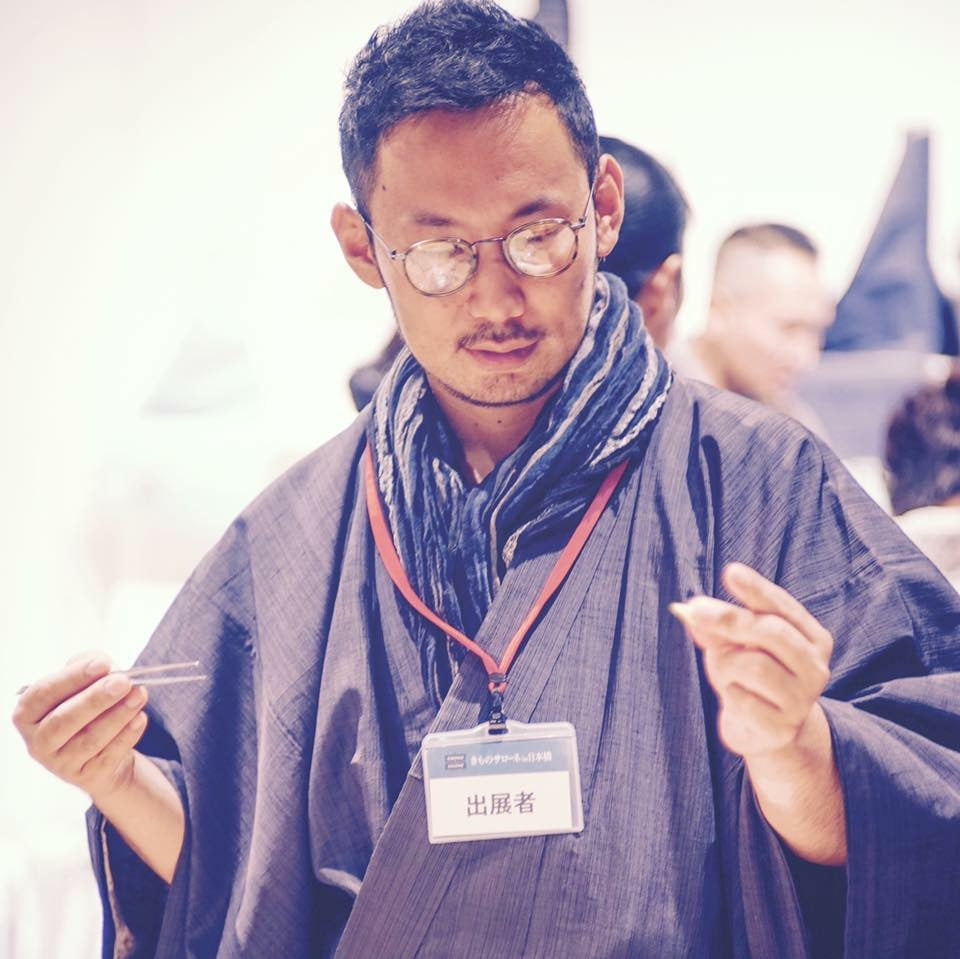
Kitai Hidemasa, CEO of Oharibako

I was born into a family that has lived with pure silk, as my grandfather ran a silk thread wholesale business in Nishijin, Kyoto.

From kumihimo and obi-jime to tsumami zaiku.
The dedication to materials
and respect for Kyoto's decorative culture,
passed down through three generations,
form the foundation of my work.

For over 10 years, I have taught tsumami zaiku to over 300 students
in Kyoto, Tokyo, and online.

What I teach is not
"techniques learned from a teacher."
It is the practical techniques of an artisan
who continuously works with their hands in this workshop every day.

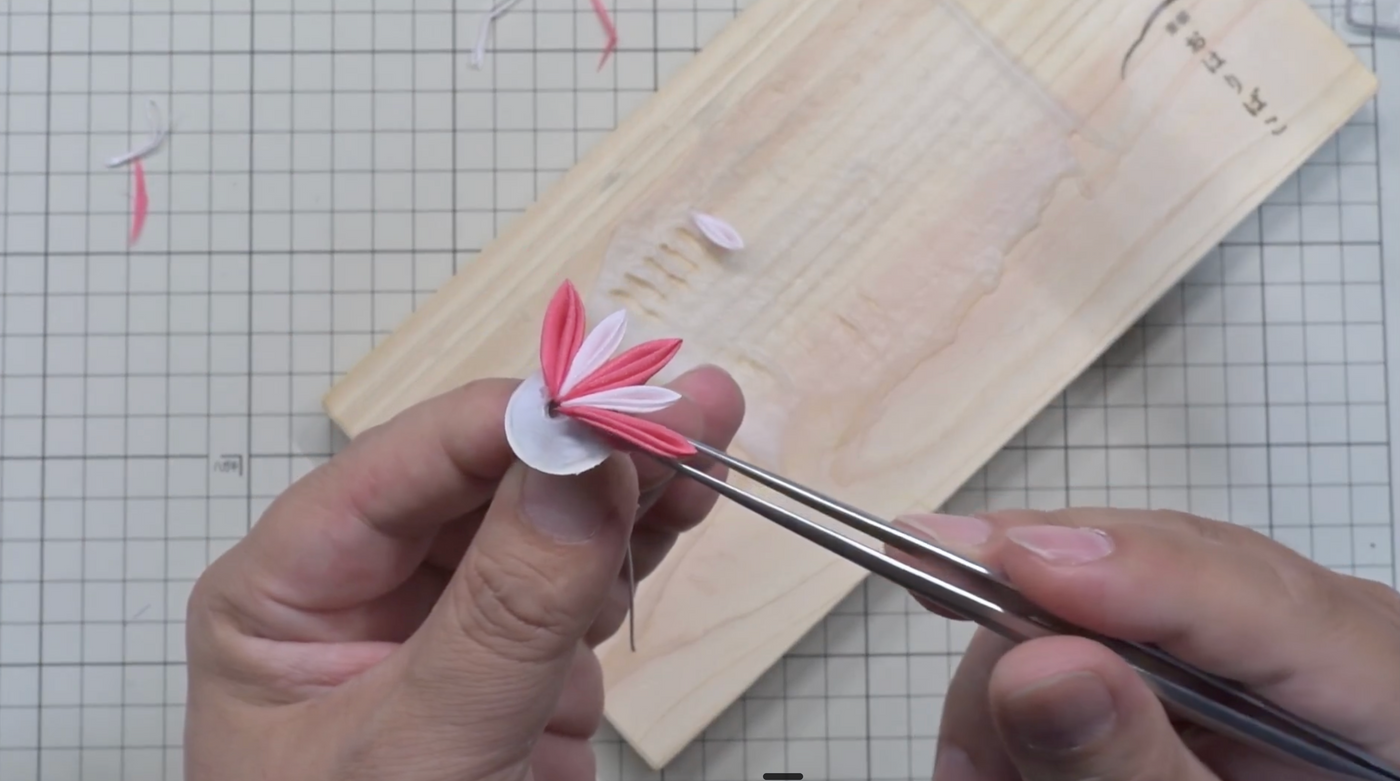
The angle of the tweezers, the amount of paste, the "breathing" of the fabric.
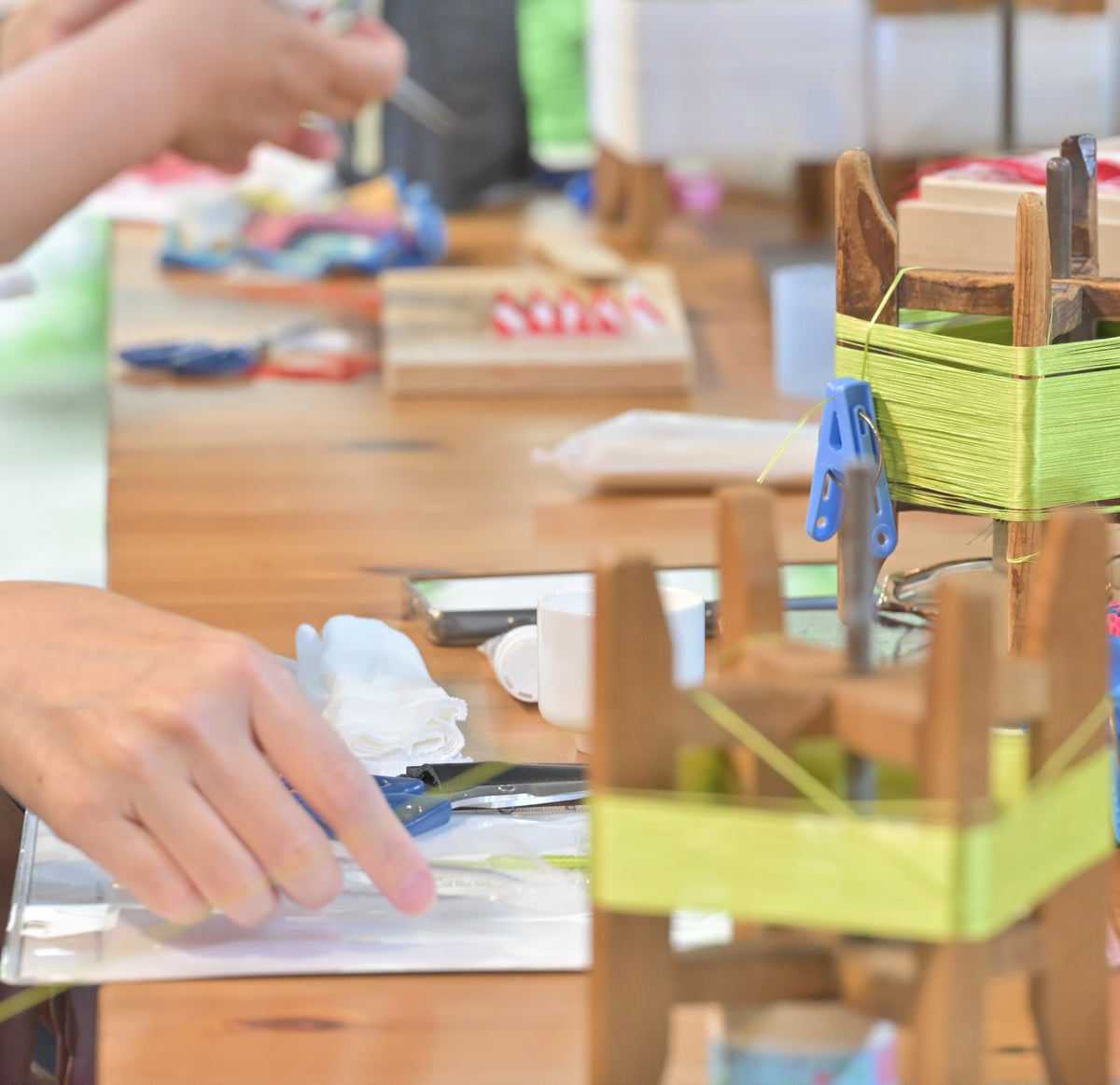
To convey these intangible sensations as accurately as possible, I have prepared the best possible streaming environment.

Archives are available for viewing for one and a half years from publication.
The advantage of Zoom classes is that you can review the videos multiple times.

Classroom concept

A single petal, beautifully.

At Harihako's classes, we prioritize "learning correctly."

All fabrics used are domestic pure silk.
Habutae from Fukushima and chirimen from Nagahama.
These are genuine materials dyed by Kyoto dyers.

By practicing with authentic materials from the start, you will develop the correct handling of fabric, precision in folding, and beauty in finishing.
Everything will develop in the right direction.

In the beginner course, you will master fundamental tsumami zaiku techniques such as maru-tsumami and ken-tsumami.
In the intermediate course, you will learn cutting and assembly, and in the advanced course, you will challenge yourself with authentic classical kanzashi made using 6-momme habutae.

Step by step, with certainty.
Acquire skills here that you can continue to use for a long time.

Classroom Features

Small group lessons

Our in-person classes are small, with 5-12 students, and our Zoom classes have a maximum of 15 students, allowing us to closely monitor each individual's progress. We provide thorough instruction even for complete beginners.
Archived lessons are available for viewing for 1.5 years.

Traditional Glued Tsumami

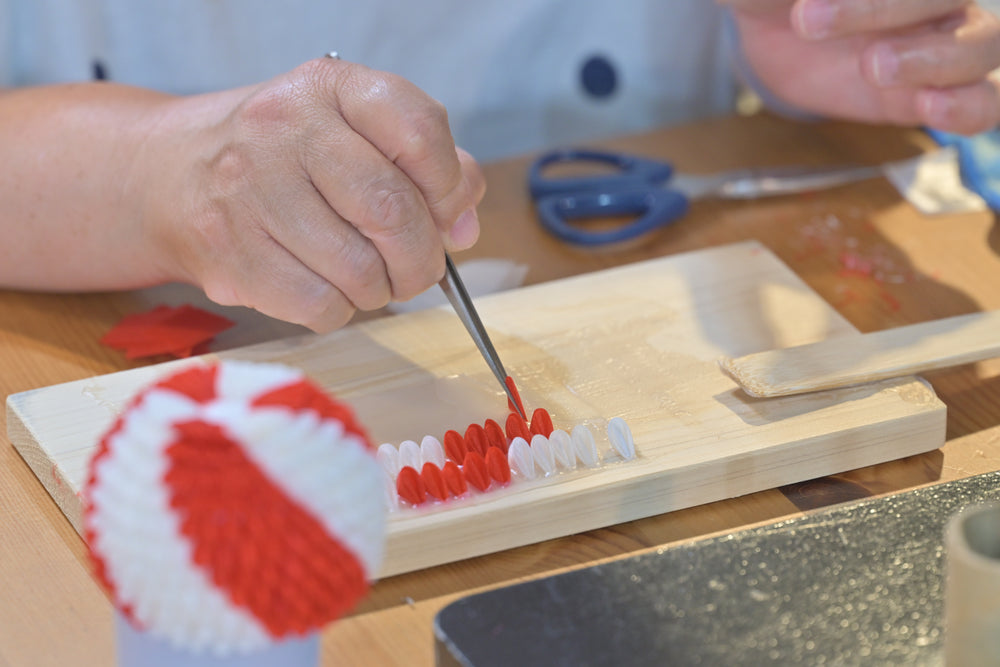
Based on traditional techniques using pure silk habutae and starch paste, I will logically explain the reasons for failure and methods for success, and answer your questions until you are satisfied.

Freedom in artistic pursuits

Instructor activities and writing activities are unrestricted. This course does not issue qualifications or certifications. We believe everyone has the right to freely enjoy tsumami zaiku.

Sample Streaming Video

Application deadline: July 7

Days remaining until deadline:

Apply to take the course

Next Recruitment Announcement

Recruitment is only twice a year.

To prevent you from realizing "it's already closed," we will notify you of the next recruitment via our official LINE account. If you let us know your preferred class (Kyoto, Tokyo, or online), we will inform you first when applications open.

*There will be no new applications for the Spring/Summer 2027 Kyoto class.
*Applications for the Tokyo class will open in the Spring/Summer 2027 course, after a one-year hiatus.
*Recruitment for the Spring/Summer 2027 Zoom class is yet to be determined.

Receive advance notifications by registering on LINE

First, thoroughly implement the basics.

Beginner's Course

In the beginner's course, you will thoroughly learn the basics of roundつまみ (tsumami), pointedつまみ (tsumami), double-layer roundつまみ (tsumami), and double-layer pointedつまみ (tsumami).
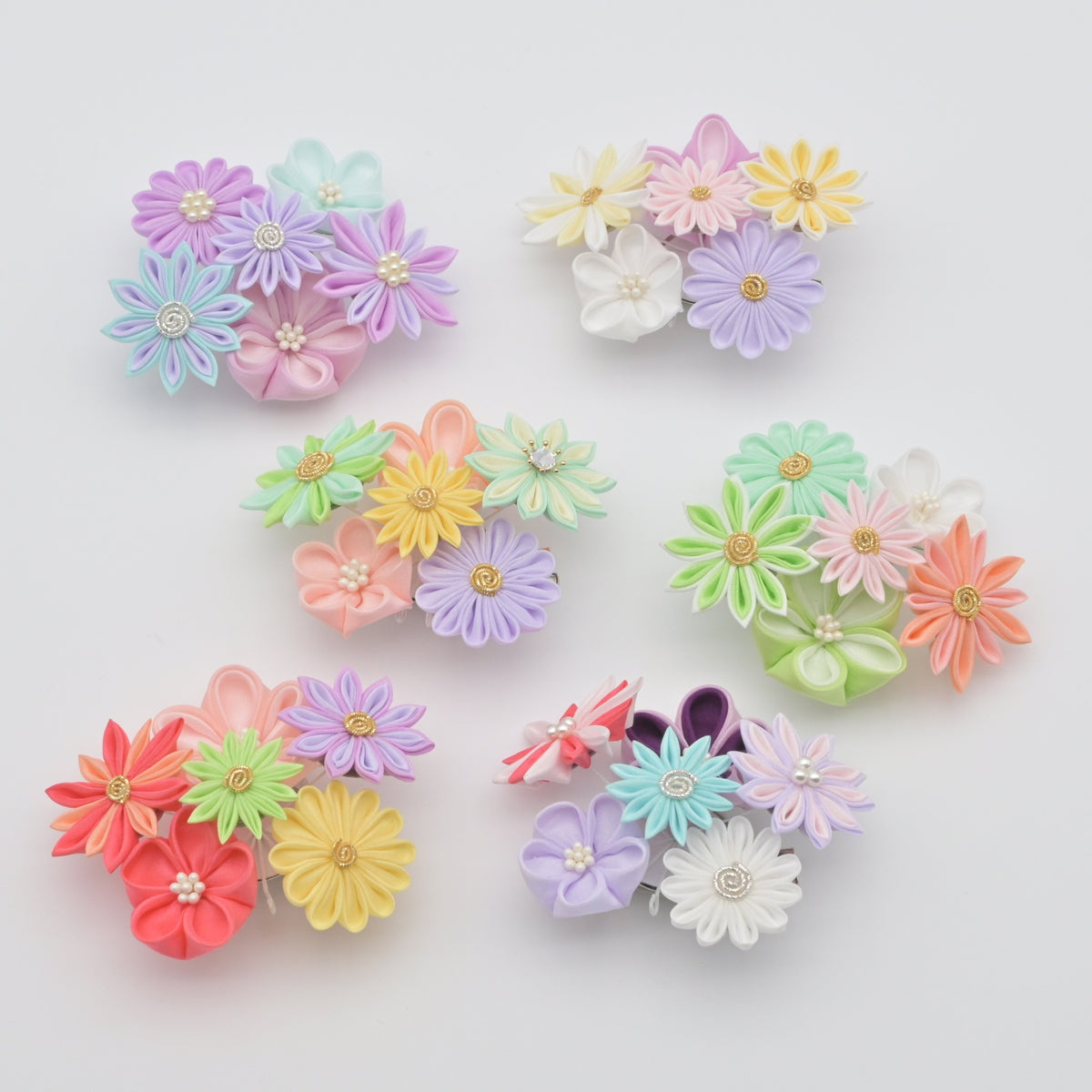
In the first three sessions, you will repeatedly practice the basics ofつまみ (tsumami), and in the last three sessions, you will create a bouquet clip with a dangling charm attached to a six-flower bouquet that you have color-coordinated yourself.

Many people make the piece created in the latter half into a Shichi-Go-San hair ornament or an成人式 (Seijin-shiki) coming-of-age ceremony hair ornament for their daughters or granddaughters.

By the time you finish the beginner's course, you will be able to skillfully create basic flowers such as plum and chrysanthemum, and wisteria-style dangling charms using adhesive.

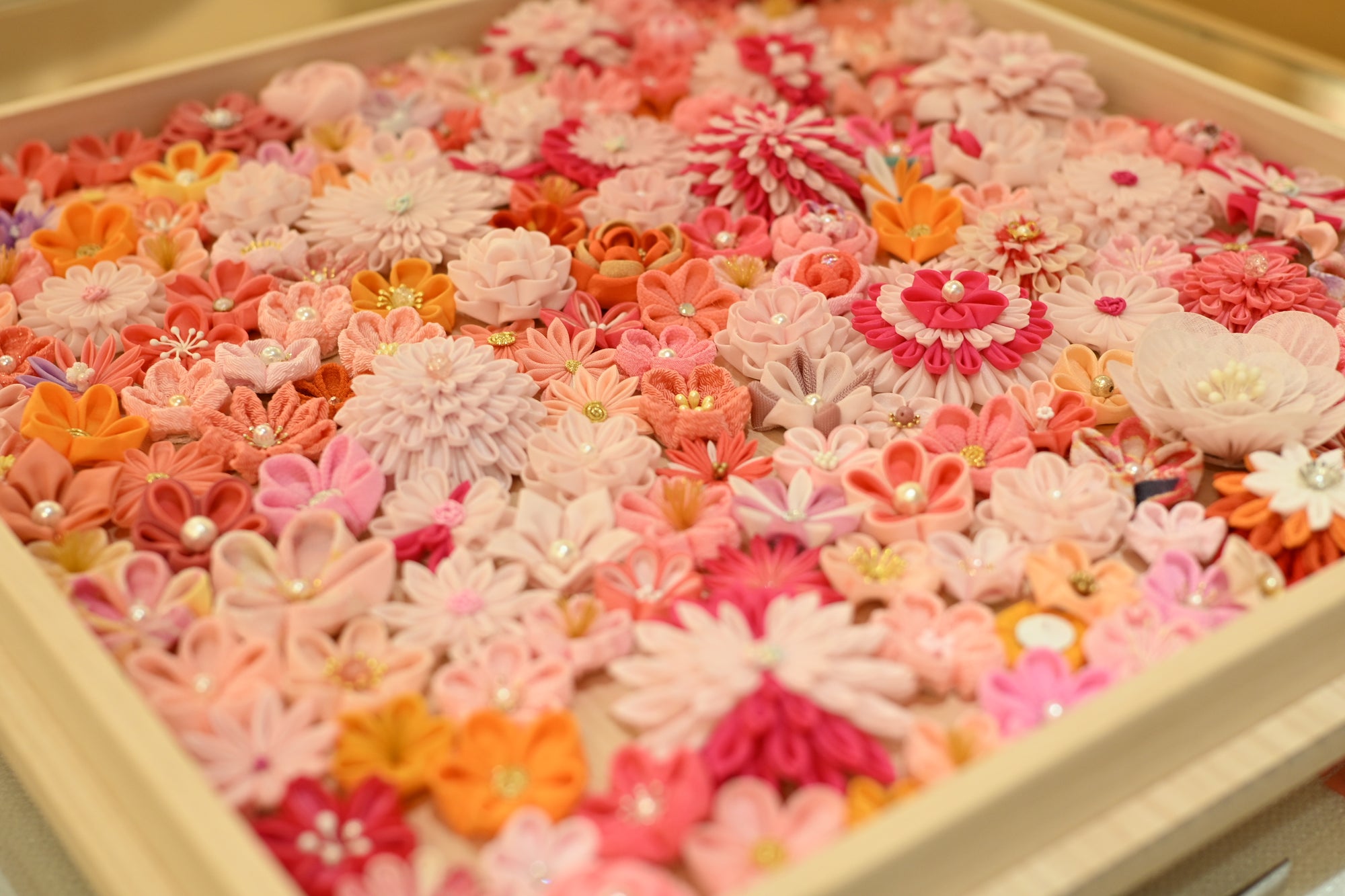
The images show student works.

Let's learn some skills besides drinking.

Intermediate Course

In the intermediate course, we will delve into techniques other than Tsumami (folding), such as cutting, assembly, color arrangement, and the layering of continuous, multi-petal pieces.

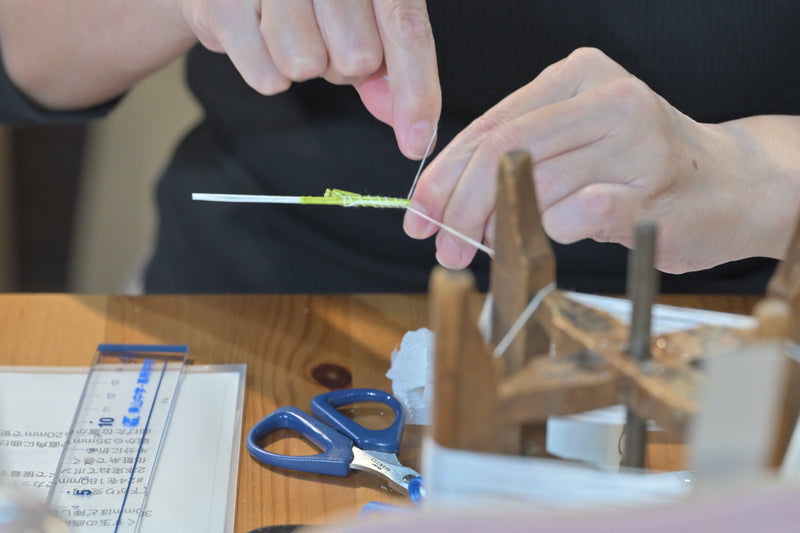
Tsumami-zaiku surprisingly involves many steps beyond just folding. In particular, you will learn Oharihako's unique technique for creating the foundational "kukkuri" structure using a thread frame, which is crucial for assembly.

Finally, you will create a pine, bamboo, and plum hairpin, which serves as an introduction to classical works. You will not only use the 10-momme fabric you've worked with previously but also use 6-momme habutae for the first time, assembling it onto the hairpin base, thereby acquiring the fundamental skills to create authentic pieces.

Finally taking on the classics!

Advanced Course

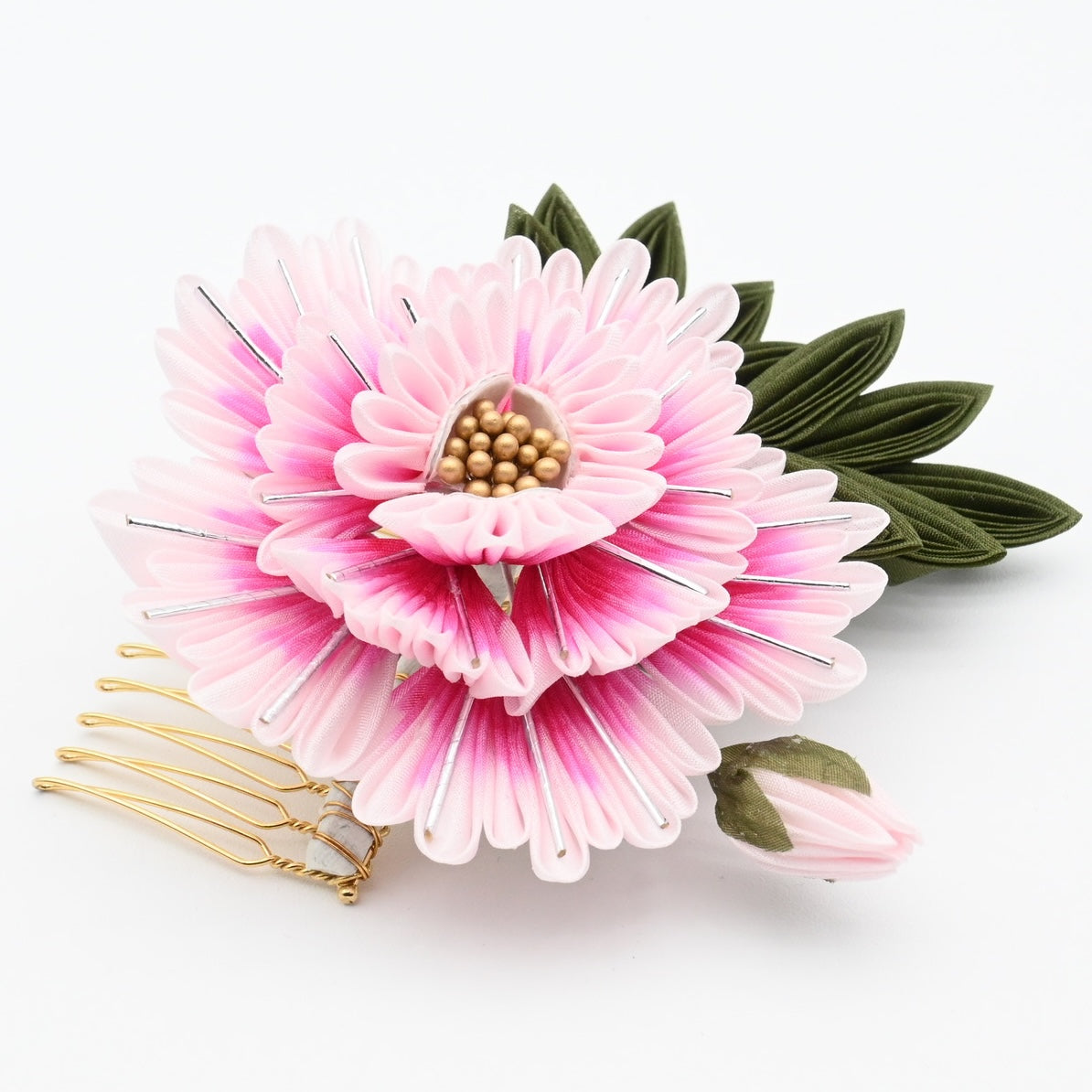
Now, we will take on the challenge of creating a piece based on classical works. Using the techniques cultivated in the beginner and intermediate courses, we will create works with seasonal motifs over several sessions.

This involves not only tsumami work, but also base creation, assembly, and sometimes creating motifs other than flowers, or making branches and fans.
While the tasks increase, the feeling of spending time and effort to create a masterpiece is unique to the advanced course.

Since the works differ between the spring/summer course and the autumn/winter course, you can enjoy it year-round at your own pace.

Tackling a classic masterpiece

Alumni Seminar

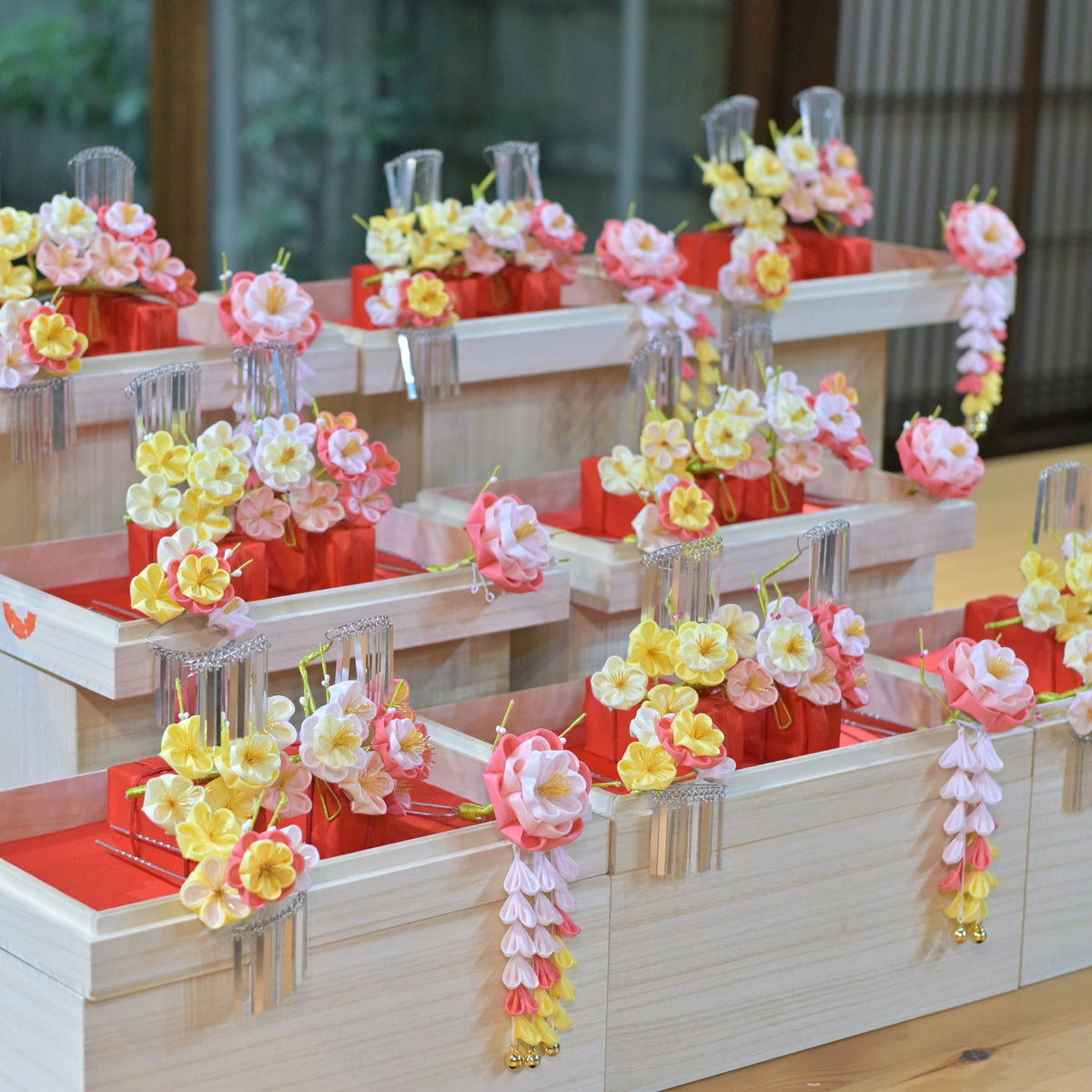
Upon completing the advanced course, optional challenge pieces await. These include grand projects that take an entire season to create, such as Kanzashi for Kusudama and Maiko Hanagushi, whose artisans are now rare, as well as challenge pieces requiring special assembly like the Shichigosan Katsuyama.

The challenge pieces for the graduate course gradually increase each year, allowing you to take them on at your own pace, little by little, and enjoy Tsumami Zaiku for a long time.

Although some pieces may involve over 600 individual elements, let’s bring all the skills you've cultivated thus far to achieve the pinnacle of Tsumami Zaiku!

A cultural community experienced through Tsumami Zaiku

At Oharibako, we not only teach you the techniques, but also value the connections you make with fellow tsumami zaiku enthusiasts.
We offer special experiences exclusively for our students, such as craft tours to visit the workshops of artisans known by our instructors, art projects where students collaborate on large-scale works, social gatherings like year-end and New Year parties, and the sale of limited-edition materials through an open chat exclusively for students.

Through tsumami zaiku, you can connect with many people and greatly expand your creative world.

New Beginner Course for Autumn/Winter 2026 Zoom Classes

Schedule

The Autumn/Winter 2026 courses will be held on Saturdays.
The class times are as follows:
Morning Class: 10:00 AM - 12:00 PM
Afternoon Class: 2:00 PM - 4:00 PM
Evening Class: 7:30 PM - 9:30 PM

Classes start on August 1st, and the final session is on December 26th.
If you are unable to attend a class or miss a session, you can catch up by watching the archived online lectures at no additional charge.

Frequently Asked Questions

よくある質問

ご質問

オンライン(Zoom)初級コース(全6回)
受講料 ¥39,600(税込)/ 募集中・定員に達し次第締切
受講を申し込む