
Fold Silk.
Make Beauty.
Learn the Ancient Japanese Art of Tsumami-zaiku.
Tsumami-zaiku is an 18th-century Japanese craft of folding tiny squares of silk into flowers — once worn by Kyoto's geiko and maiko, and cherished for generations. Passed down in our Kyoto workshop for over 80 years, this art is now open to learners around the world.
絹に始まり、絹に終わる — It begins with silk, and ends with silk.
A Flower Folded from Silk
Born in Edo. Alive in Kyoto. The craft of folding tiny squares of silk into flowers.
Tsumami-zaiku — literally "pinching craft" — is the Japanese art of folding small squares of silk fabric into delicate flower petals, then composing them into kanzashi (traditional hair ornaments) and seasonal decorations. The technique emerged in the Edo period (18th century) among the women of Kyoto's imperial court, and has been refined ever since by generations of specialist workshops.
Oharibako was founded in Kyoto in the 1940s. For over 80 years, our studio has kept these techniques alive — in the silk flowers we make by hand, and now in the lessons we share with students worldwide.
Small squares of silk,
folded into a living tradition.
Make Something Beautiful Today
No sign-up needed. Free this season: the Silk Hydrangea (Ajisai).
Every month a new seasonal flower joins the collection. The newest flower is a $24 video lesson — and the flowers from the past few months rotate here for free, so there's always one you can make at no cost. No registration, no strings: watch the video, follow the step-by-step guide below, and fold your first tsumami-zaiku flower at home.
本番= <iframe src="https://player.vimeo.com/video/●●●" allowfullscreen>]
This month's newest flower — the Morning Glory (Asagao) — is available now as a $24 lesson. See the seasonal calendar below.
How to Make a Silk Hydrangea (Tsumami-zaiku)
The hydrangea — ajisai — is Japan's flower of the early-summer rains, a soft cloud of tiny four-petaled blossoms. In this free beginner's tutorial you'll fold a single silk floret using the most fundamental tsumami-zaiku technique, the round petal (maru-tsumami). No experience and no special skills are needed — just silk, your fingers, and a little patience. Make one floret, then group several together for a full hydrangea bloom.
What You'll Need
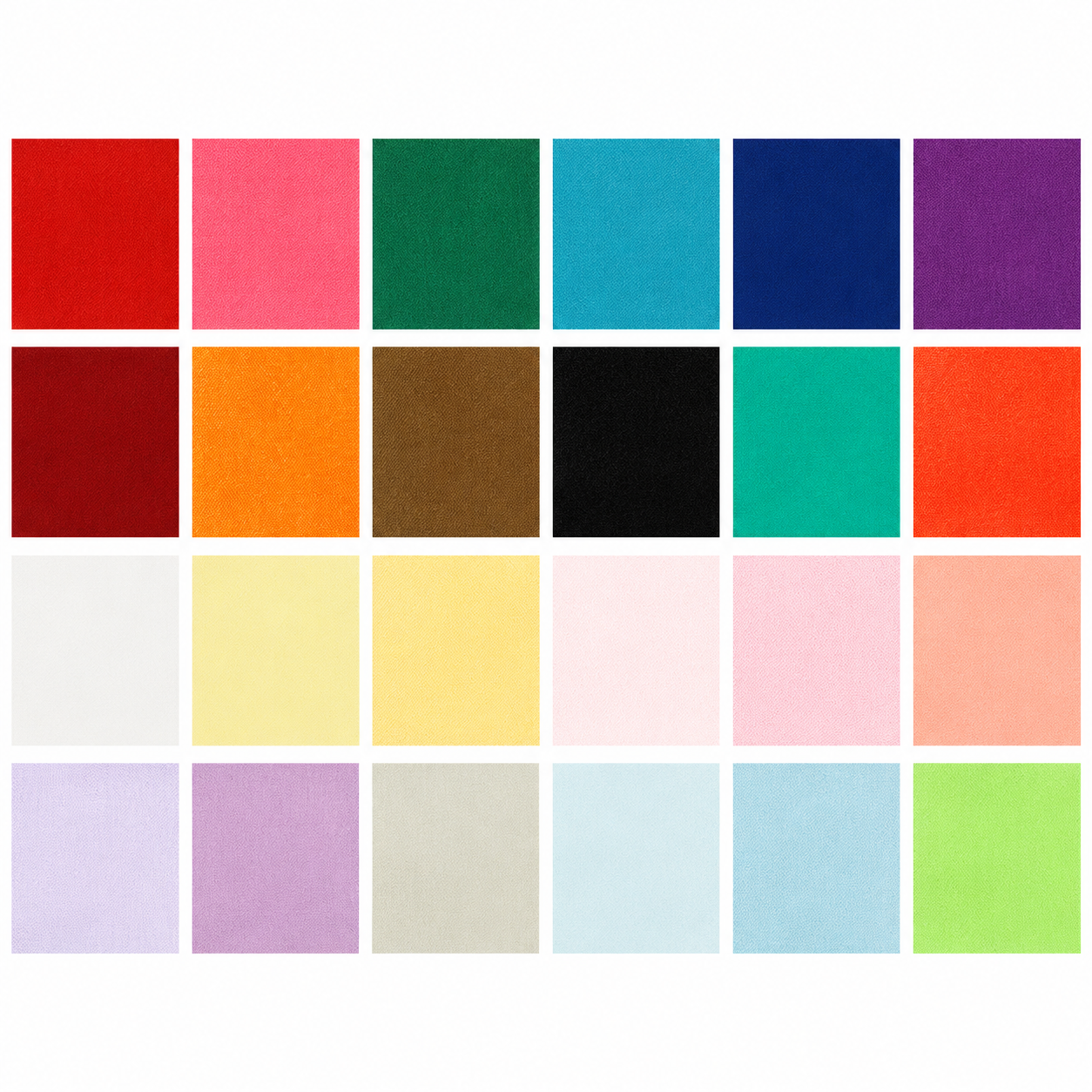
- Silk squares, about 2 cm (¾ in) each — four per floret, in hydrangea shades of pale blue, lavender, or soft white
- One white flower stamen (pep) for the center
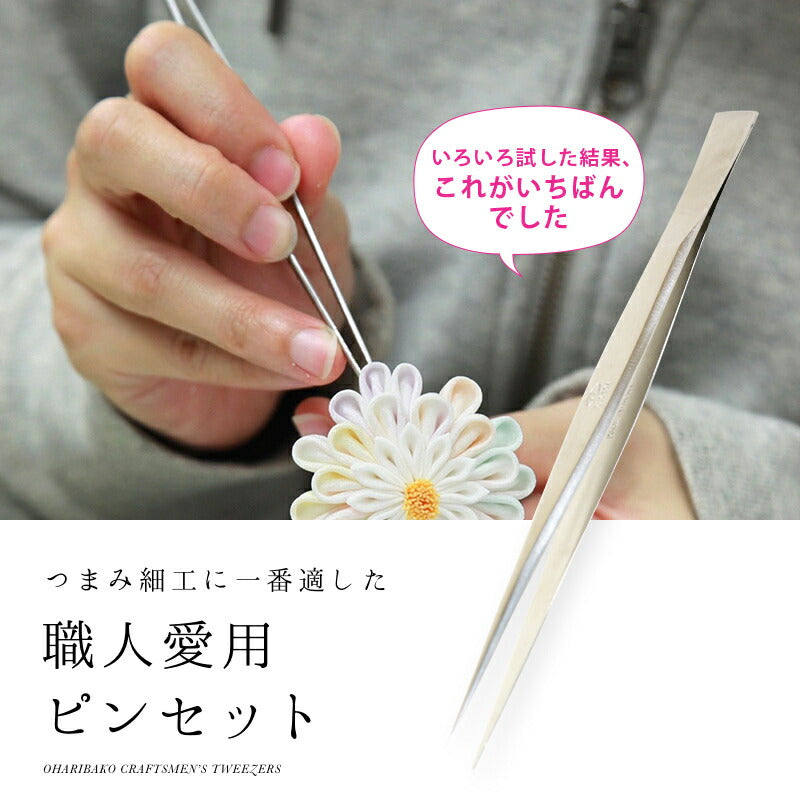
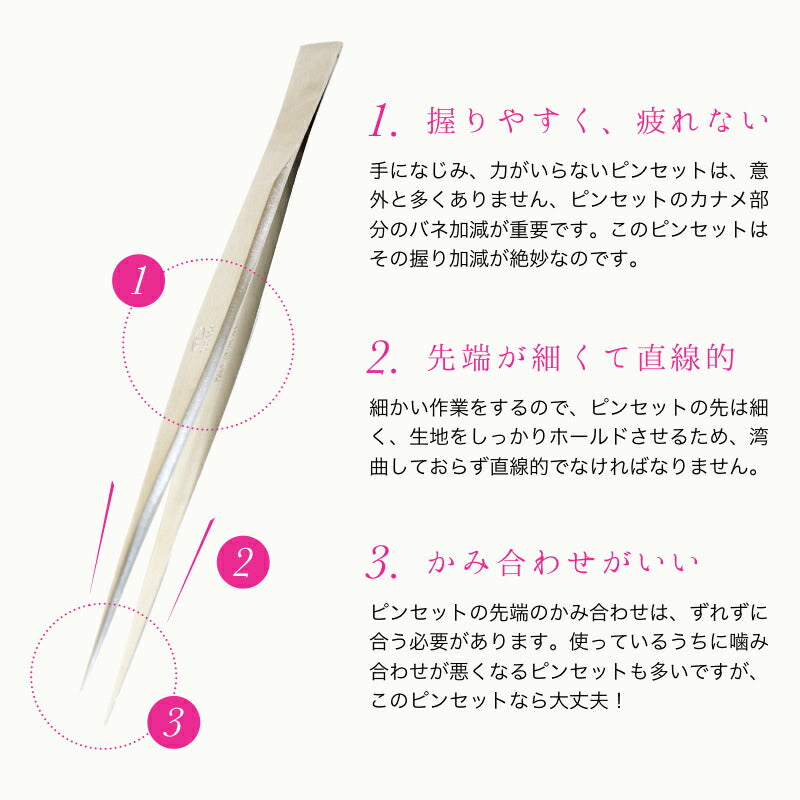
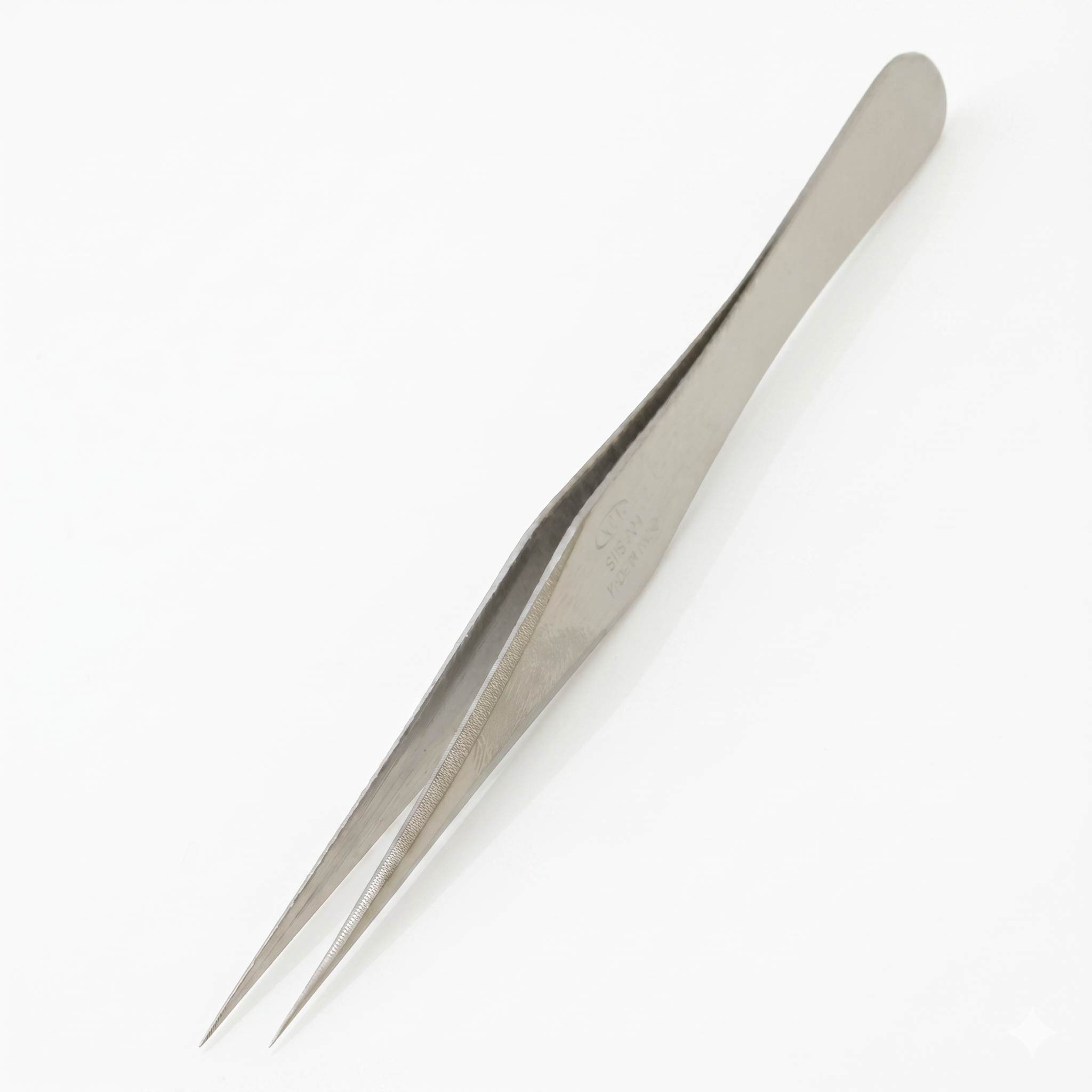
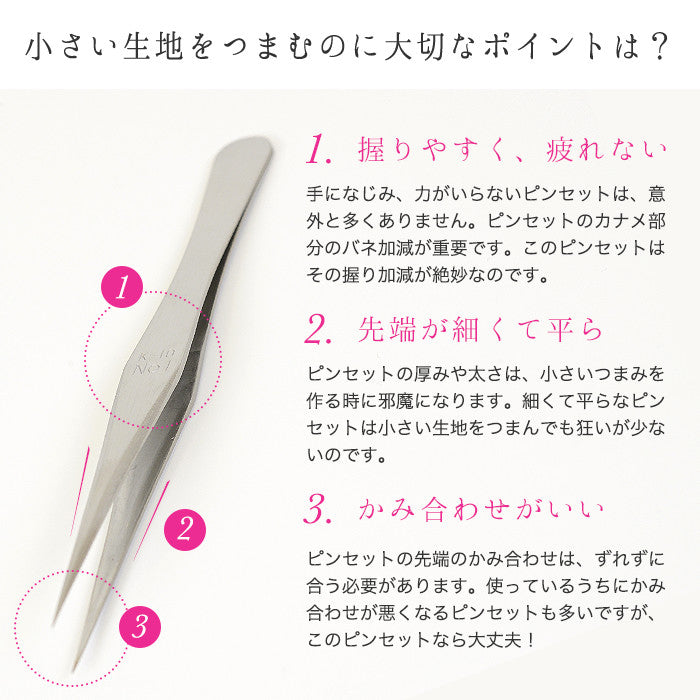
- Tweezers
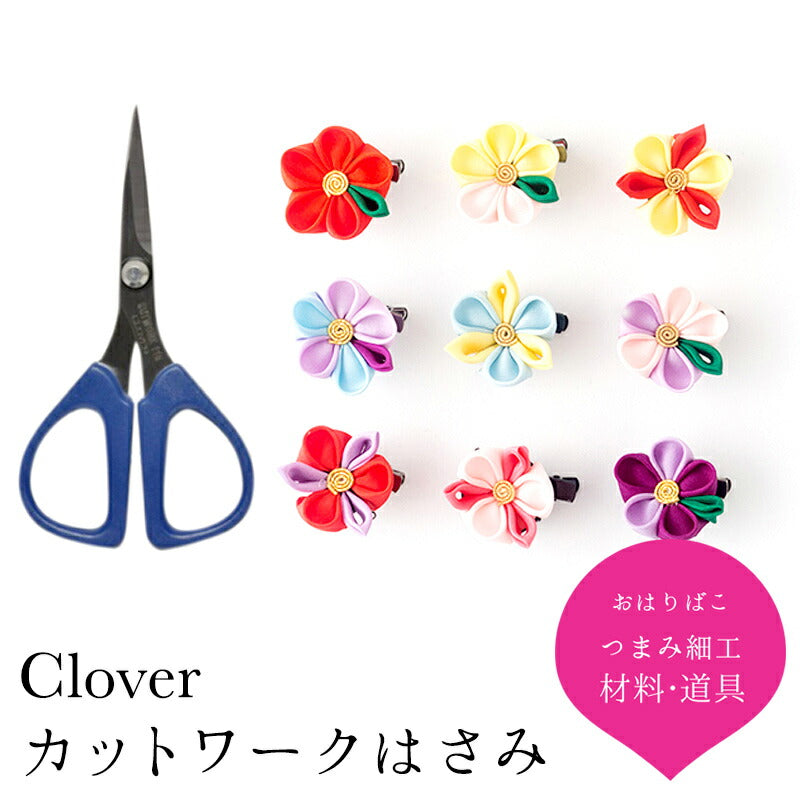
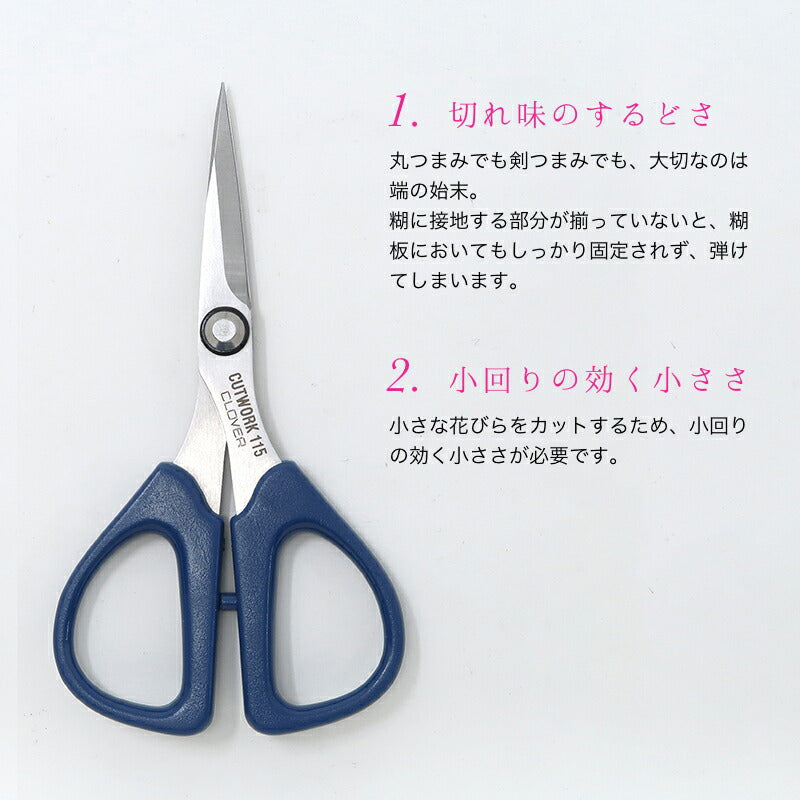
- Small, sharp scissors
- Craft glue and a glue board (or a small dish of glue)
- A base to mount your flower onto — a small brooch pin, hair clip, or a piece of card
Step by Step
- Fold once. Hold one silk square as a diamond. Fold it in half diagonally into a triangle, lining the corners up neatly.
- Fold again. Fold the triangle in half once more, into a smaller triangle.
- Shape the petal. Bring the two outer points down to meet at the base, and pinch the folds together with your tweezers. A soft, rounded petal forms — this is the maru-tsumami, the round fold at the heart of the craft.
- Trim and set. Even the raw edge at the base of the petal with your scissors. Dip that edge lightly into the glue and press the petal onto the glue board. Gently open the back so the petal holds its round shape.
- Repeat. Make four petals in all.
- Arrange. Set the four petals in a circle, their points meeting at the center, and add a small dot of glue where each one sits on your base.
- Finish. Slip a single white stamen into the middle. Your silk hydrangea floret is complete. Make several and cluster them together, and a whole hydrangea blooms in your hands.
That's the beginning of tsumami-zaiku — one folded petal at a time. When you're ready to go further, explore our free tutorials and beginner's course below.
Loved Making That?
Learn the Whole Craft, Step by Step.
This free flower is just the first fold. In the Beginner Course, our Kyoto artisans guide you from your very first petal to finished pieces you've made yourself — 32 lessons, taught in English, with a materials kit shipped to your door.
Start the Beginner CourseA new flower every month — recent ones are always free. Get an email when the next one blooms →
Learn for Free
A growing library of Kyoto craft — no sign-up, no strings.
Start with the core folds that everything else is built on: the round petal, the pointed petal, preparing your starch, shaping your base. We add new free lessons regularly, so there's always something new to learn. Follow along at your own pace, with real Kyoto silk in your hands — you can learn a great deal here without spending a thing.
Start Here — The Three Foundations
Maru-Tsumami — The Round Petal Fold
The most fundamental fold in tsumami-zaiku. Learn the tweezer angle and hand motion for a softly rounded petal.
Ken-Tsumami — The Pointed Petal Fold
A small change in technique creates a crisp, pointed petal — the perfect contrast to the round fold.
Applying Glue the Right Way
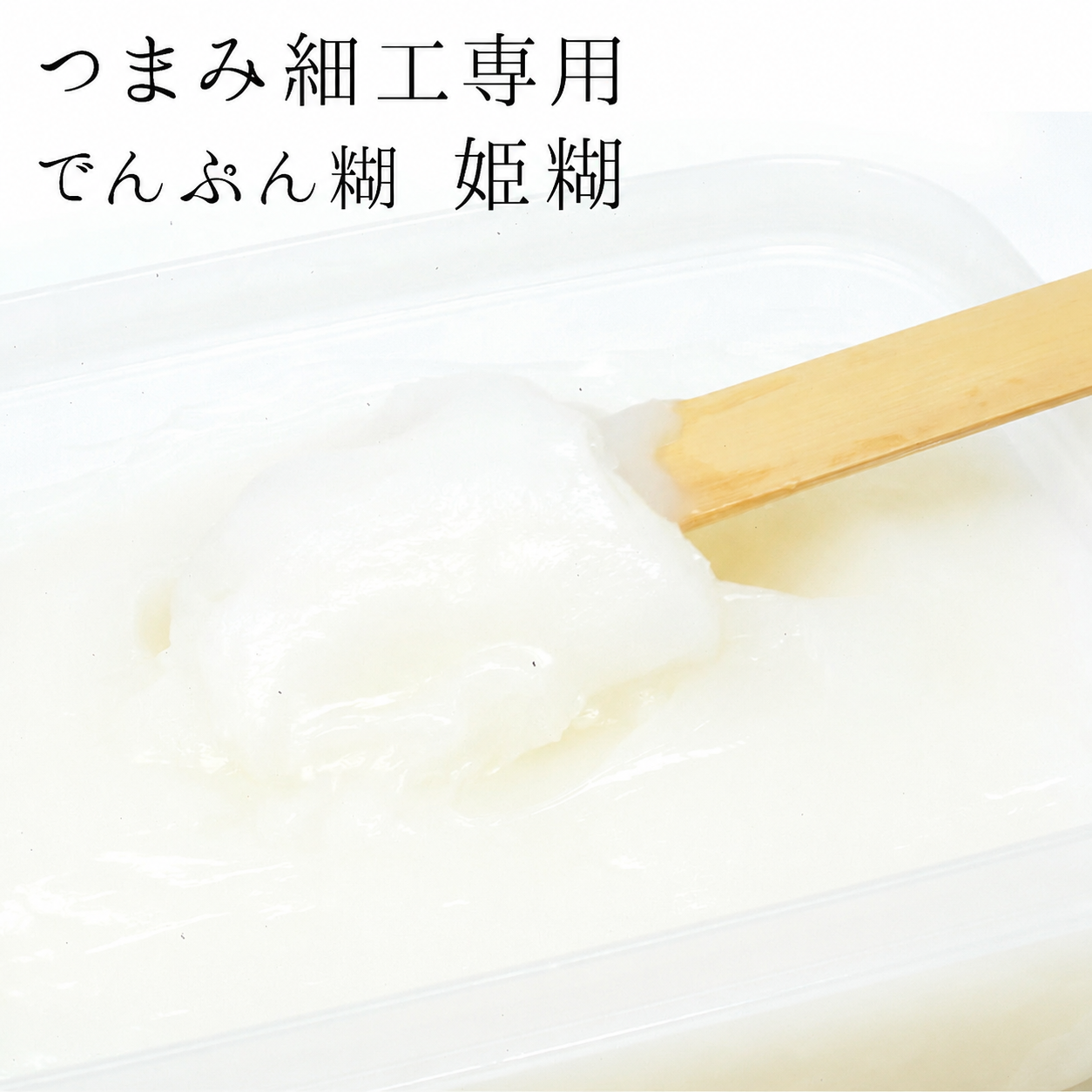
Every petal starts with glue. Learn to use the spatula at the correct angle for a clean, consistent layer.
New free lessons are added regularly — the newest will appear here.
Learn Together — Join Our Free Community
Making something by hand is more joyful with company. Share the flowers you fold, ask a question when you're stuck, and see what fellow makers around the world are creating — right here, with no other app to download. Everyone is welcome, whether you've joined a course or you're just here to learn for free.
Join the Free CommunityBegin with Real Silk —
Shipped from Kyoto
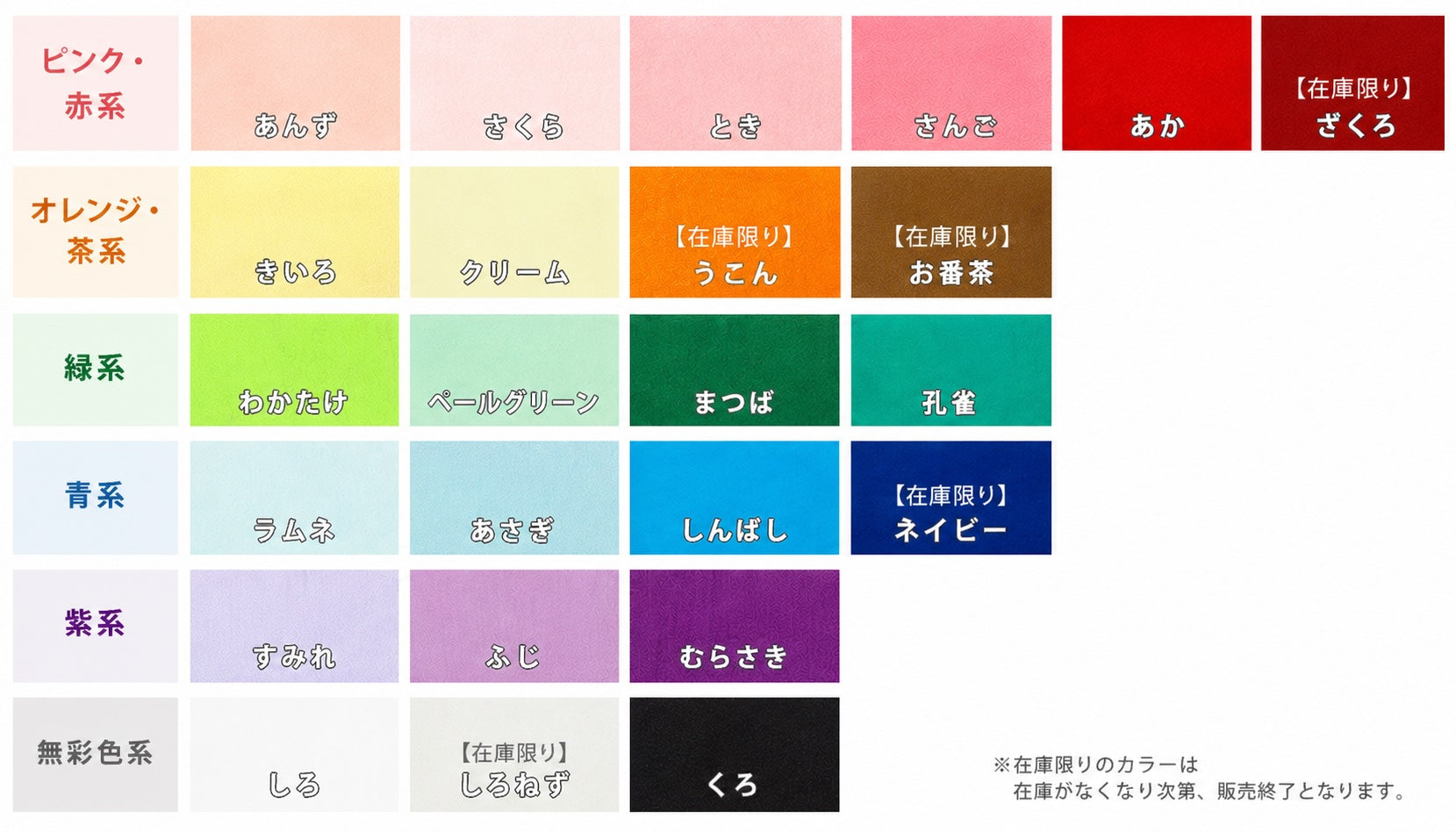
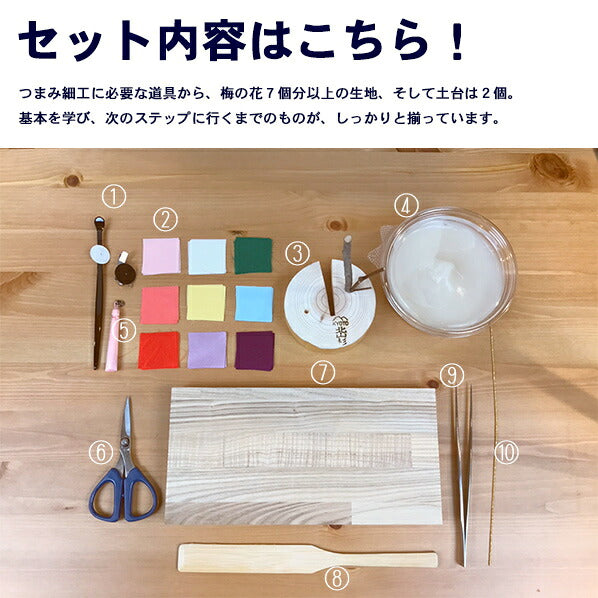
The same fine silk we use in our own work, with the right tools and beginner-friendly kits, chosen by our artisans. We ship worldwide.
Shop All SuppliesFeatured collection
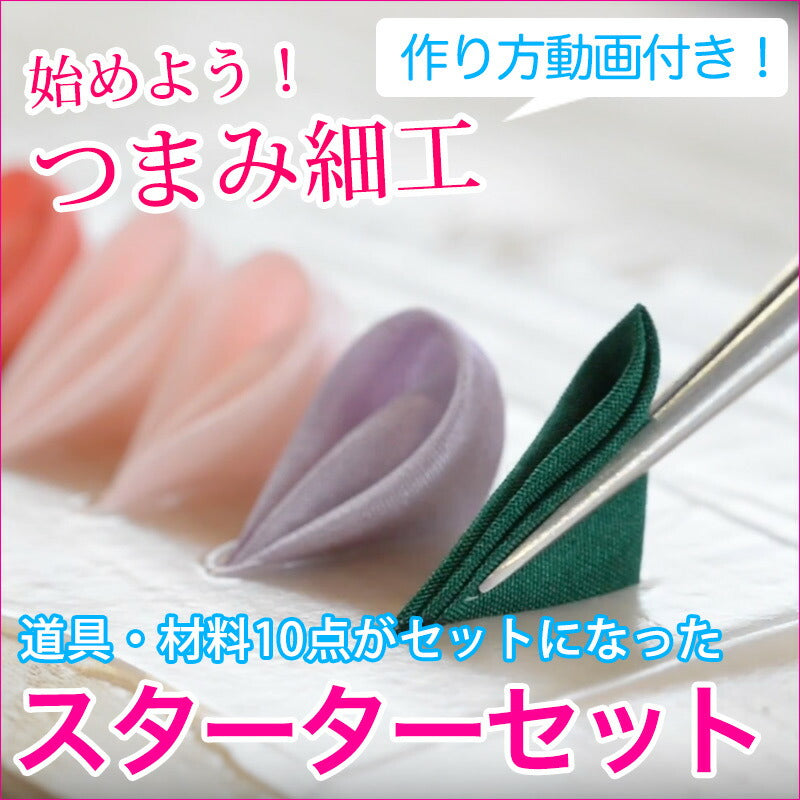
つまみ細工の材料と道具

From Your First Fold to Classical Kanzashi
Rise through the same path our own craftspeople follow — course by course, rank by rank.
The Beginner Course —
Your Complete Foundation
The complete course for absolute beginners. 32 lessons (9 free to preview), taught in English by our Kyoto artisans — from your very first fold to finished pieces you've made yourself. A materials kit is shipped to your door, so you have everything you need to begin.
$399 USD · 32 lessons · materials kit included · 9 free previews
View the Beginner CourseBeginner Course
Earns BronzeThe complete foundation for absolute beginners. 32 lessons (9 free to preview), from your very first fold to finished pieces you've made yourself. Includes a materials kit.
$399 USD
View the Beginner Course →Intermediate Course
Earns SilverGo beyond the basics — multi-petal flowers, composition, and your first classical kanzashi. Building on the beginner foundation.
See what you'll learn →Advanced Course
Earns GoldWork with fine habutae silk to create seasonal classical kanzashi — the pieces worn for Japan's most important occasions.
See what you'll learn →From Your First Fold
to a Kyoto-Certified Instructor
Tsumami-zaiku is not a one-off craft project — it's a tradition with depth. At Oharibako, the lessons we teach are the same ones our own artisans learn, and they lead somewhere real: the authority to create, and one day to teach, this Kyoto craft yourself.
BeginnerBronze
Master the fundamental folds and make your first finished pieces.
IntermediateSilver
Fabric cutting, assembly techniques, and your first classical kanzashi.
AdvancedGold
Seasonal classical kanzashi in fine habutae silk — four works per season.
Instructor CertificationDiamond · Shihandai
Issued directly by our Kyoto studio, with over 80 years of history. Earn the recognition — and the authority to teach this living tradition to others.
Beyond Diamond, the path continues by invitation — Shihan, and one day, Takumi.
Every path begins with a single fold.
Begin with the Beginner CourseA Certificate You Can Hold —
and Verify
In an age when anything can be generated, a certificate means little unless it is real. Every Oharibako certification is issued by an actual Kyoto studio — the highest honors brushed by hand in ink and sealed with our vermilion crest. Earned, and awarded, by people.
The Digital Certificate
Beginner, Intermediate, Advanced. Issued the moment you complete a course — a certificate from our Kyoto studio, in Oharibako indigo and gold, yours to keep and to share.
The Instructor Certificate
For those who reach Shihandai and beyond — a printed certificate in gold and vermilion, signed by the head of the workshop and the okami, and stamped with our studio's seal.
The Hand-Brushed Diploma
The highest honor is written by hand. A Kyoto master calligrapher brushes each diploma in sumi ink on washi, sealed with our vermilion crest. One of a kind — and impossible to fake.
Real, and Verifiable.
Every Oharibako certificate carries a number. Anyone, anywhere, can confirm the holder, the title, and the date it was earned — issued by a real Kyoto workshop, not printed on demand.
Verify a CertificateOne folded petal at a time —
that is how every flower begins.
Everything You Need, Right Here
Lessons live in our own shop — watch, learn, and buy in one place.
All in One Place
Lessons live right here in our online shop — no external platforms, no extra accounts. Watch, learn, and buy in one place.
English Subtitles
All video lessons include English captions. Turn them on or off as you like.
Any Device
Smartphone, tablet, or computer. Pick up where you left off, any time.
Buy Once, Keep Forever
No subscription. Pay once and return to your lessons as many times as you like.
Paired with a Kit
Each lesson tells you exactly what you need. A curated tool and fabric kit is available in the shop.
Collect the Whole Year
The 12-Month Season Pass unlocks all twelve seasonal flowers — each one as its month arrives — for a single price. $179, yours to keep.
See the Season PassA Flower for Every Season
Twelve months of tsumami-zaiku — each flower a brooch, timed to its own season.
In Japan, the flowers you wear tell the season. Each project is a single seasonal flower, folded in fine silk and finished as a brooch you can wear on a jacket, a collar, or a bag — no hair ornament required, so it feels at home anywhere in the world. Every flower is timed to its own blooming season and released a little before it appears in nature: January brings the plum, March the cherry blossom, July the morning glory, and so on through the year. Bookmark this page and come back each month, or subscribe below.
Scroll through the year →
Don't Miss the Next Flower
We send one email per month — a short note when the new free tutorial goes live, nothing more.
Contact
Made in Kyoto. Taught with Care.
Over 80 years of silk, from a real Kyoto workshop.
Oharibako was established in Kyoto in the 1940s — over 80 years ago — at a time when tsumami-zaiku was still part of everyday life in Japan. Through decades of change in Japanese fashion and culture, we have continued to make kanzashi and seasonal pieces by hand, and to pass the techniques to the next generation of craftspeople.
Our instructors are practicing artisans, not hobbyists who learned from a book. When you study with Oharibako, you are learning a living tradition from the people who have kept it alive.
The Oharibako Instructor Certification — available at the highest level of our curriculum — is issued directly by our Kyoto studio, and carries the weight of that history.
The Hands Behind the Lessons
Every lesson is taught by working artisans of the Oharibako studio — the same hands that make kanzashi for Kyoto's geiko, maiko, and celebrations across Japan.
Hidemasa Kitai
Master Artisan · Head of Oharibako
Head of the Oharibako workshop in Kyoto. He has spent his life making kanzashi and seasonal silk pieces — and now teaches the same techniques, step by step, to students around the world.
Kaori Kitai
Okami · Studio Hostess
The okami — the heart of the studio. She looks after every student from first fold to finished piece, and is loved by our classes in Japan for her warmth and encouragement.
I live far from any class and never imagined I could learn tsumami-zaiku properly. With these lessons I made a finished kanzashi at home — I still can't believe I did it myself.
Being able to show my hands to the teacher and get advice in the moment made all the difference — and I can rewatch any lesson whenever I forget a step.
I'm a complete beginner and not very dexterous, but everything I needed came in the kit, and the steps were so clear I never once felt lost.
You can feel the instructor's warmth in every lesson. For everything you receive, the course is wonderful value.
Made by Our Students
Every piece below was made by a student in our classes in Japan — many of them complete beginners. Soon, by students around the world.
Questions? We Have Answers.
Do I need special tools or materials to get started?
I have never done any craft like this before. Is this course really for beginners?
Where can I buy the materials and tools?
Do I have a time limit to finish the course? Can I watch the lessons again?
Are the videos in English? Are there subtitles?
What payment methods do you accept?
What is your refund policy?
Is there a certificate? What is the Instructor Certification?
絹に始まり、絹に終わるIt begins with silk, and ends with silk.
Your First Flower Is Waiting.
Start with this month's free tutorial and make something with your hands. When you're ready to learn the whole craft — from your first fold to a finished piece — the Beginner Course is here whenever you are.
Start the Beginner Course Watch the Free TutorialSubscribe for Monthly Updates