Why Didn't Tsumami-Zaiku Spread? A 1909 Manual Names the Cause
It's beautiful, and it can be used for almost anything. So why did tsumami-zaiku stay so little known for so long? In our last article, we looked at a passage from a 1909 manual, Tsumami-zaiku Shinan, stating that tsumami-zaiku is a craft native to Japan. This time we're reading the passage that follows it — where the same author names the reason the craft failed to spread, in his own words.
The source
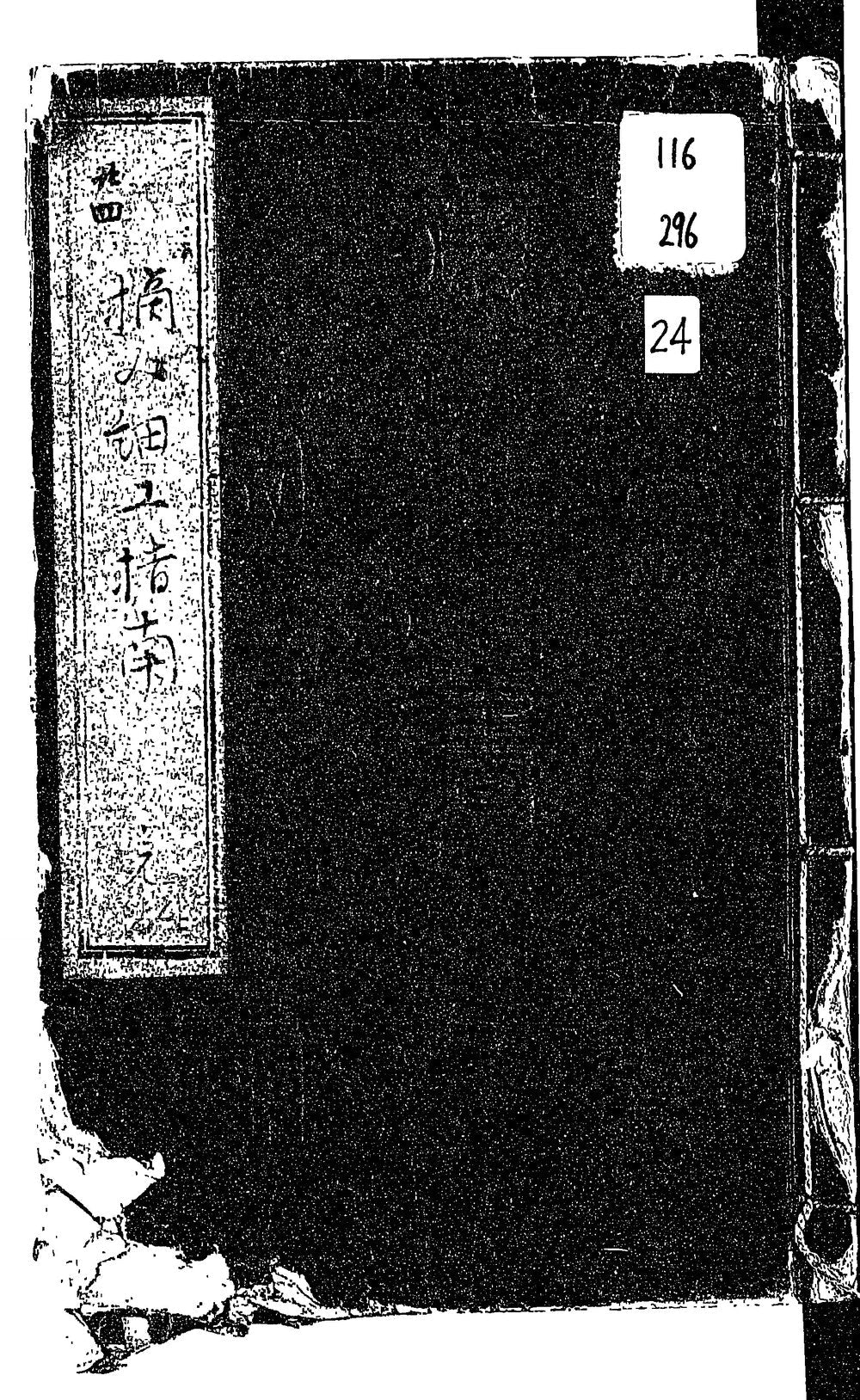
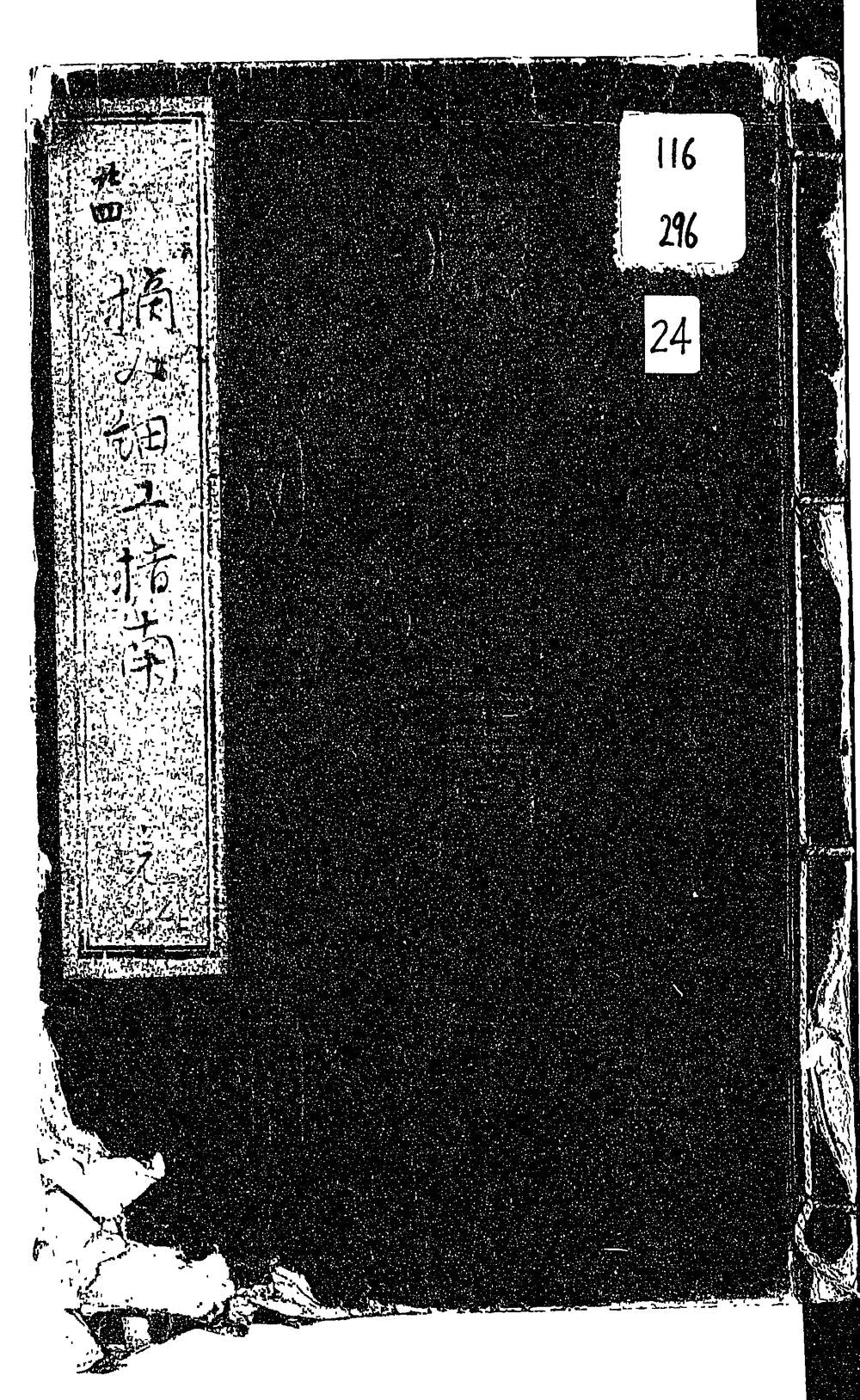
Tsumami-zaiku Shinan (摘み細工指南, "A Guide to Tsumami-Zaiku"), by Yamada Okimatsu, published by Hakubunkan in December 1909 (Meiji 42), volume 24 of a household reference series, 278 pages. The full book is digitized and viewable through the National Diet Library Digital Collections, PID 848808 (DOI: 10.11501/848808). Its copyright term has expired — the author died in 1941 — and the National Diet Library lists it as Public Domain Mark (PDM). Background on the author appears in our previous article.
Previous article: Is Tsumami-Zaiku Originally Japanese?
"The failing of specialists"
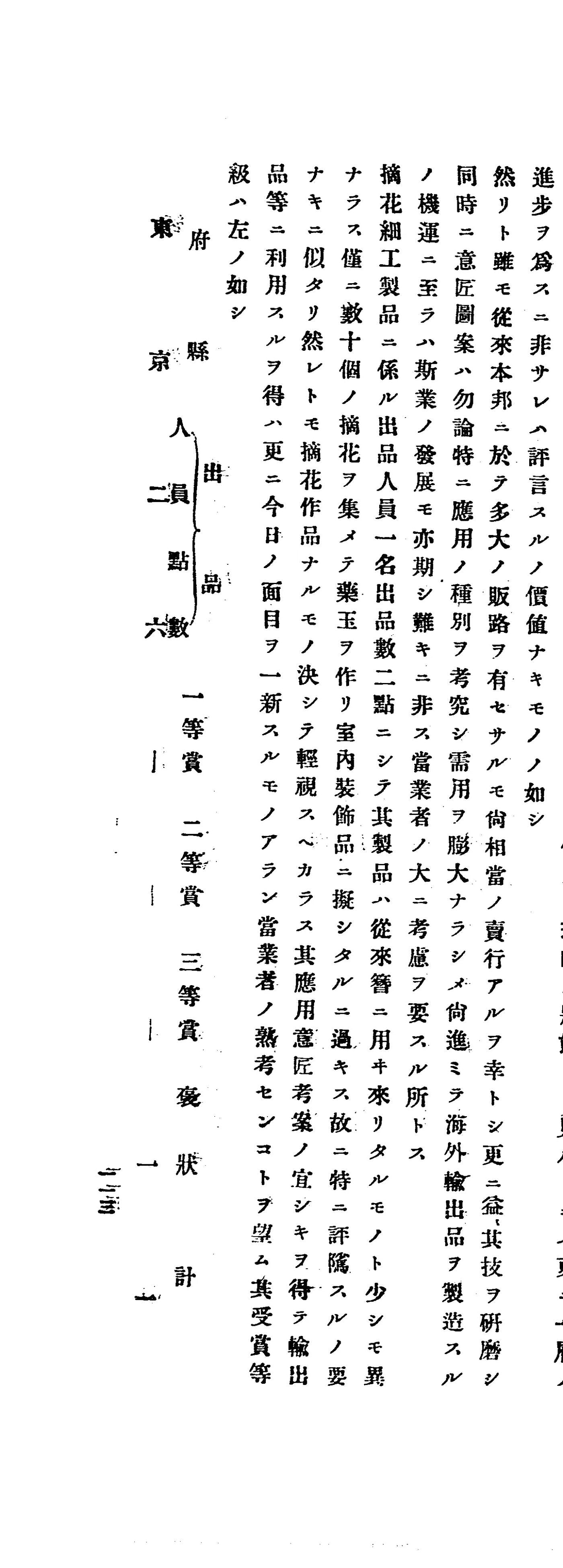
On pages 2–3 of the main text (image 14 of the digitized scan), directly beneath the heading stating that tsumami-zaiku is native to Japan, a second marginal heading reads: senmonka no hei (専門家の弊) — "the failing of specialists." The passage under it reads, in the original pre-reform Japanese:
で、何故に日本固有で、加之出来上りが美しく又用途も広いものが斯くまでに人の注目を受けなかったと云ふに、皆專業者の弊として、各自にその工夫をしたる細工の要處は秘して充分これを傳へなかったのが第一の原因で、又一つは昔の細工の仕方が余りに遅鈍で有ったのも、又今日の如くに応用の範囲が多方面でなかった為に、折角の細工も一部の専業者のみの学ぶ徒弟を造り向ける〔ような〕教ゆる者のみで居た為であったとも思はれます。

In English:
"So why is it that something native to Japan, and beautiful and versatile besides, went so long without drawing people's attention? It was the failing of specialists everywhere: each kept the essential points of the techniques they had worked out secret, and did not pass them on fully — this was the primary cause. Another factor was that the old methods of working were far too slow and clumsy, and the range of applications was not as broad as it is today; but in the end, I believe, this too came down to the fact that the few specialists who did teach were only training apprentices to succeed them, not teaching more widely."
The reason placed first — ahead of slow methods, ahead of narrow demand — is that craftsmen kept the essential points of their technique secret.
Secrecy held back even the tools
The same concern returns later, in the chapter on tools (around page 16, image 21). After describing the improvised bamboo tweezers craftsmen used before proper tweezers existed, the author writes:
斯く述べたる丈にては何の苦もなく出来る様でありますけれども、其の物に就いてそれを自由に差支へなく使ふまでに拵へるのは容易なる業ではありませぬのみならず、時間を空費する事も亦決して少くはありません。従って此様なる困難をして各自思ひ〳〵の道具を工夫致すのでありますから、実に心の狭い様ではありますが、互に其工夫を隠し合って用ひたものであって、其要處は局外者の窺ひ知る事が出来なかった為に、その進歩も鈍って居った事と考へます。其れである故に、如何に器用巧者の人でも肝心の要處を秘して其の道具も使ひ方が不充分であるから、従ってその順序なども正しからざる為に緻密の細工は出来なかったものであります。
In English:
"Described this way it sounds like no trouble at all, but making such a tool workable and easy to use was no simple task, and cost no small amount of time besides. Faced with this difficulty, each craftsman worked out his own tool in his own way — and, narrow-minded as it may sound, they hid these ideas from one another as they used them. Because outsiders could never learn the essential points, progress was slow. And so, however skilled a craftsman might be, he kept the crucial points secret, which meant even the tools were used imperfectly; the proper sequence of work was never correctly passed on either, and as a result, fine, precise work could not be achieved."
The harm the author describes wasn't confined to any one craftsman's skill. In his account, secrecy held back the development of the tools themselves — and, by extension, the precision of the finished work.
The book itself was a declaration
Having named secrecy as the reason tsumami-zaiku failed to spread, the author describes, in his preface, what kind of book he set out to write:
只習得者が参考書として持つに止まるもの〔ばかり〕なるが故に、ここに初歩者の獨習用に一書を編述して、用語名称に利用して書き綴り、初学の指南として実際の上に於ける技芸の順序と諸般の応用法を、入門の上に用意を示し、且つ初学者の為にその易きより難きに進むの順序を立てた
In English:
"Until now, such books as existed served only as reference for those who had already learned the craft. So here I have compiled a volume for the self-study of beginners: organizing terminology, laying out the actual sequence of techniques and their many applications as a guide for those new to the craft, and arranging the material to proceed from the easy to the difficult, for the sake of the beginner."
A reader could now learn the craft's sequence from the beginning without apprenticing to a master. That is what it meant to publish this as a jishū-sho (獨習用/self-study manual). The same author who named the withholding of essential technique as the craft's central failing put those essential points, in order, into a book meant for someone learning entirely on their own.
Yamada Okimatsu himself ran a school for artificial-flower technique at the time — he stood on the specialist's side of the divide he was describing. A professional named the guild custom of withholding technique as a failing, and then, in the same book, chose to publish it. That is what the source records.
What the source establishes, and what it doesn't
What this source establishes is this: in 1909, a professional trained in both artificial-flower work and tsumami-zaiku identified secrecy among specialists — each withholding the essential points of technique they had worked out — as the primary reason the craft had not spread more widely, and wrote the same book as a self-study manual for beginners. The source doesn't tell us when this custom of secrecy began, how widespread it was, or whether similar practices held in other crafts or regions at the time. We won't fill in that gap with speculation. We're reporting what the source says.
About Oharibako
Oharibako has been making kanzashi (traditional Japanese hair ornaments) and kimono accessories in Nishijin, Kyoto, using pure silk and rice starch paste. For more on the craft itself, see:
Is Tsumami-Zaiku Originally Japanese? What a 1909 Manual Says
Hana Kanzashi: How We Make Them
Source
Yamada Okimatsu, Tsumami-zaiku Shinan (摘み細工指南), Hakubunkan, 1909. National Diet Library Digital Collections, PID 848808 (DOI: 10.11501/848808). Public domain.