Is Tsumami-Zaiku Originally Japanese? What a 1909 Manual Says
"Is tsumami-zaiku originally Japanese?" It's one of the questions we hear most often from customers outside Japan. There's no shortage of claims online, but today we're answering it with a primary source instead: a manual published in Japan in 1909.
The source
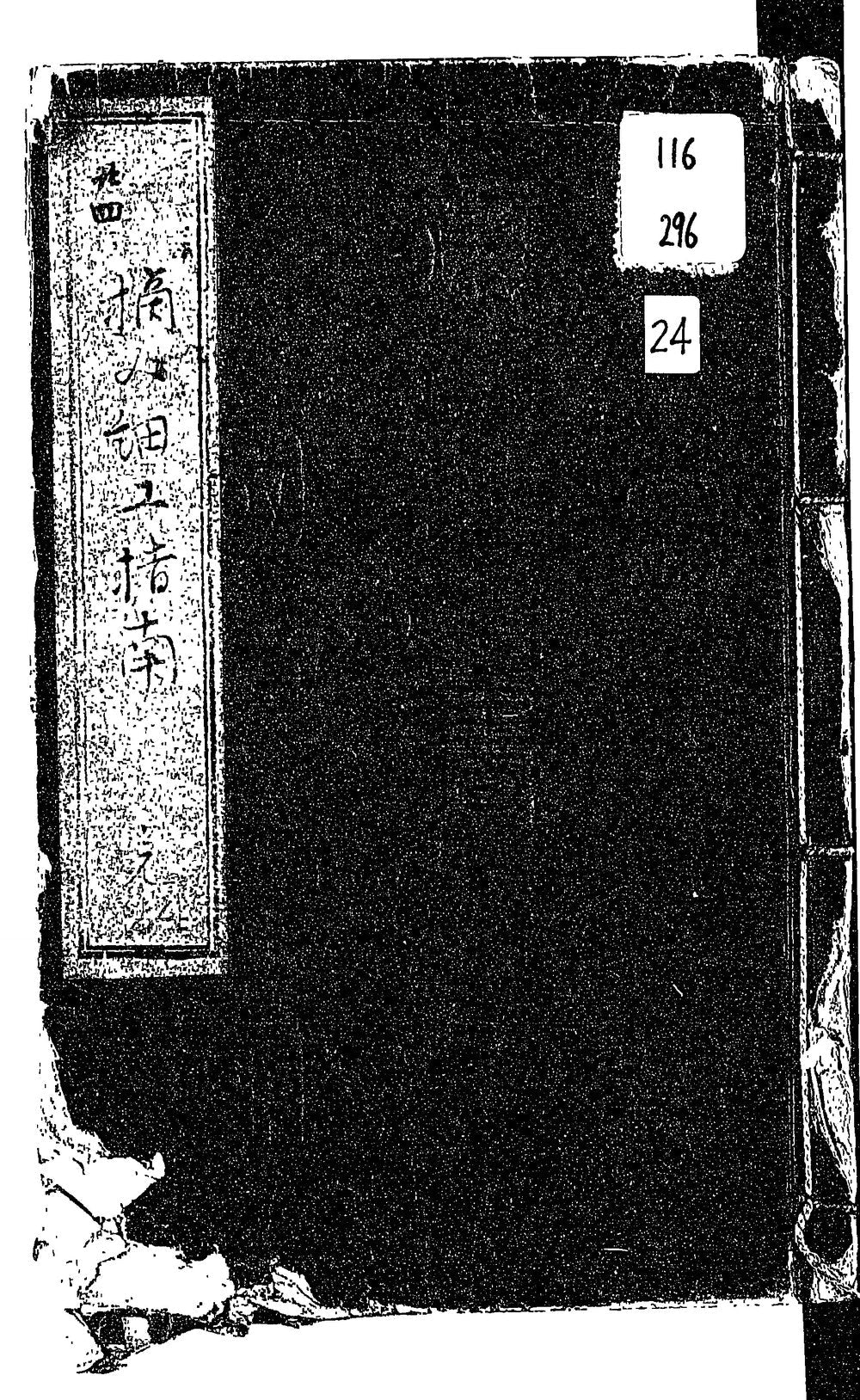
Tsumami-zaiku Shinan (摘み細工指南, "A Guide to Tsumami-Zaiku"), by Yamada Okimatsu, published by Hakubunkan in December 1909 (Meiji 42). It was issued as volume 24 of a household reference series, and runs 278 pages.
The full book is digitized and publicly viewable through the National Diet Library Digital Collections, PID 848808 (DOI: 10.11501/848808). Its copyright term has expired — the author died in 1941, and the National Diet Library lists the work as Public Domain Mark (PDM).
Yamada Okimatsu headed a school for artificial-flower techniques (zōka, 造花) at the time he wrote this. He had trained in both artificial-flower work and tsumami-zaiku (つまみ細工, silk flower folding), and writes about the two side by side — which matters for how the passage below should be read.
What the text says
On page 2 of the main text (image 14 of the digitized scan), a marginal heading reads:
摘み細工は日本固有の手藝なり
(Tsumami-zaiku wa Nihon koyū no shugei nari)
"Tsumami-zaiku is a craft native to Japan."

The passage that follows (quoted here in the original pre-reform Japanese) reads:
造花・編物・刺繍其他様々のものも有りますが、其中でも真に、彼の刺繍にしても造花にしても亦編物にしても、其の元は総て外国から伝はりたるものであります。但し其中に於て造花は我国に古くから特有せられたるものであるが、然しそれも極めて幼稚なる為方で、只花の形ちを切り抜いて貼りつけたる位のものであって、とても今の様な巧みのものは決して只今の様ではありませんでした。
In English:
"There are various handcrafts — artificial flowers, knitting, embroidery, and others. Yet embroidery, artificial flowers, and knitting all originally came to us from abroad. Artificial flowers alone have long been particular to our country, but even that was made in a very crude way — nothing more than cutting flower shapes out and pasting them on. It was never as skillful as it is today."
In short: the author states that embroidery, knitting, and artificial-flower work all trace back to techniques imported from other countries. Artificial-flower work is the one exception he grants any domestic history to — and even that, he says, was originally a crude technique, just paper or cloth shapes cut out and glued down.
This passage sits directly beneath, and supports, the heading's claim: "tsumami-zaiku is a craft native to Japan." The passage itself doesn't lay out tsumami-zaiku's origin story in detail — it doesn't name a period or an inventor. What it does is place tsumami-zaiku in explicit contrast with crafts the author says arrived from abroad, under a heading that states plainly that tsumami-zaiku is native to Japan. That heading and that contrast are what the source records — not a fuller origin narrative.
Why the author's background matters
The weight of this statement comes from who wrote it. Yamada Okimatsu ran a school teaching artificial-flower technique, and had also trained in tsumami-zaiku. He wasn't a tsumami-zaiku specialist promoting his own craft at the expense of another — he was someone qualified to speak to both, and drew a careful distinction between them: artificial-flower work has some domestic history but started out crude and later absorbed foreign methods; tsumami-zaiku, he states, is native to Japan.
Where tsumami-zaiku stood in 1909
Page 1 of the same book gives a snapshot of the craft's status at the time:
此の摘み細工の技藝が近時盛んに流行ばれ始めて、各技藝學校并に高等女學校等の技藝科に造花と共に加へられ、又賣品としては種々の意匠を施し之を各方面に應用して店頭に陳列さるゝを見受ける様になりましたるは、吾等專門者の身には非常に喜ばしいのであります。
Translated: "This craft of tsumami-zaiku has recently come into wide fashion, and has been added alongside artificial-flower work to the craft curricula of technical schools and girls' higher schools; and as a commercial item, we now see it displayed in shops in various forms. As a professional in this field, I find this deeply gratifying."
Roughly 115 years ago, in other words, tsumami-zaiku had just been added to school craft curricula and had only recently begun appearing as a retail product. It was, by the author's own account, a craft still in the early stages of spreading.
What the source establishes, and what it doesn't
What this source establishes is this: in 1909, a professional trained in both artificial-flower work and tsumami-zaiku wrote, in print, that tsumami-zaiku is a craft native to Japan. It does not tell us which period the craft began in, or who first developed it — the passage doesn't address that question, and we won't fill in that gap with speculation. We're reporting what the source says, not what is commonly claimed about it.
About Oharibako
Oharibako has been making kanzashi (traditional Japanese hair ornaments) and kimono accessories in Nishijin, Kyoto, using pure silk and rice starch paste. For more on the craft itself, see:
Hana Kanzashi: How We Make Them
Maru-Tsumami vs. Ken-Tsumami: The Basic Folds
Source
Yamada Okimatsu, Tsumami-zaiku Shinan (摘み細工指南), Hakubunkan, 1909. National Diet Library Digital Collections, PID 848808 (DOI: 10.11501/848808). Public domain.